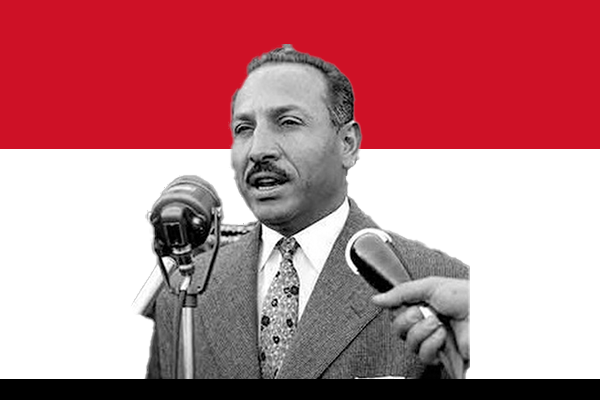
Early Life and Education
Abdel Latif Boghdadi was born on October 20, 1917, in El Mansoura, Egypt. He grew up in a modest family environment and displayed leadership qualities from an early age. Boghdadi pursued his education at the Egyptian Military Academy, where he graduated as an air force officer. His military training instilled in him discipline, patriotism, and a strong sense of responsibility toward his nation.
Role in the Free Officers Movement
Boghdadi became one of the prominent members of the Free Officers Movement, a group of young Egyptian military officers who sought to end British influence and the monarchy’s control. In 1952, he actively participated in the Egyptian Revolution that overthrew King Farouk. The success of this movement transformed Egypt into a republic and marked a turning point in Boghdadi’s career.
As one of the trusted allies of Gamal Abdel Nasser, Boghdadi played a vital role in shaping the political and military future of Egypt. He stood out as both a soldier and a strategist, respected for his integrity and dedication.
Rise to Political Power
After the revolution, Boghdadi transitioned from military service to political leadership. Nasser valued his loyalty and appointed him to several important positions. He served as Minister of Municipal Affairs, where he oversaw significant infrastructure projects, including roads, bridges, and urban development. Boghdadi also became Speaker of the National Assembly, where he contributed to legislative reforms. His colleagues admired him for his practical approach and straightforward leadership style.
Vice Presidency under Nasser
In the late 1950s, Gamal Abdel Nasser appointed Abdel Latif Boghdadi as Vice President of Egypt. This position elevated him to the highest levels of government, where he directly supported Nasser in implementing policies.
As Vice President, Boghdadi played a crucial role in overseeing development programs. He emphasized modernization, industrialization, and urban expansion. He supported the construction of new housing projects, educational institutions, and healthcare facilities. Through these efforts, he aimed to improve the quality of life for ordinary Egyptians.
Contributions to Egypt’s Development
Boghdadi focused heavily on infrastructure and economic growth. He championed projects that expanded Egypt’s transportation system, connecting cities and villages more effectively. His initiatives strengthened trade, supported agriculture, and encouraged industrial progress.
He also supported Egypt’s cultural and social development. By prioritizing education and public services, he helped foster a generation that would contribute to Egypt’s modernization. His vision reflected both military discipline and civic responsibility, which made him a respected figure among Egyptians.
Relationship with Nasser and Political Challenges
Although Boghdadi remained loyal to Nasser, he did not shy away from expressing differences in opinion. He sometimes opposed policies that he believed might harm Egypt’s long-term stability. His disagreements with Nasser highlighted his independent thinking and commitment to Egypt’s welfare.
Eventually, these political differences led to his resignation in the 1960s. Despite leaving office, Boghdadi retained respect as a leader who placed national interest above personal ambition. His decision showed his integrity and his unwillingness to compromise his principles.
Later Life and Legacy
After retiring from politics, Abdel Latif Boghdadi lived a relatively quiet life. He devoted his time to writing and reflecting on Egypt’s political journey. Egyptians continued to admire him as a revolutionary leader who helped shape the republic and guided it through critical years of transformation. Boghdadi passed away on January 8, 1999. His legacy endures as that of a soldier, revolutionary, and statesman who left a lasting mark on Egypt’s history.
Conclusion
Vice President Abdel Latif Boghdadi played a significant role in Egypt’s political and developmental journey. From his participation in the Free Officers Movement to his leadership as Vice President, he demonstrated courage, integrity, and vision. His contributions to infrastructure, education, and governance made him one of the most respected figures of modern Egyptian history.