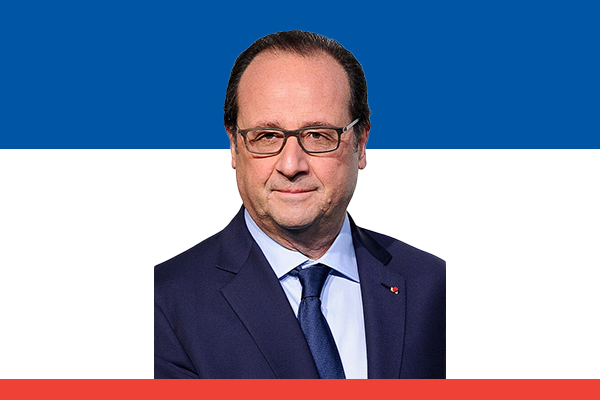
Early Life and Education
François Hollande was born on August 12, 1954, in Rouen, France. He grew up in a middle-class family and developed a strong interest in politics at a young age. He studied at HEC Paris, one of France’s leading business schools, before joining the prestigious École Nationale d’Administration (ENA). At ENA, he trained alongside future political leaders, sharpening his knowledge of law, economics, and governance.
Political Career Beginnings
Hollande entered politics in the late 1970s by joining the Socialist Party. He actively worked to strengthen the party’s base and quickly rose in prominence. In 1981, President François Mitterrand appointed him as a special adviser after winning the election. Hollande steadily built his career as a local politician, winning the mayoral seat of Tulle in 2001 and representing Corrèze in the French National Assembly.
Rise Within the Socialist Party
Hollande earned recognition as a skilled strategist and communicator. In 1997, he became the First Secretary of the Socialist Party, a position he held for over a decade. He guided the party through several elections and promoted social democratic values across France. Although critics questioned his cautious approach, he maintained unity within the party and built a reputation as a consensus-driven leader.
Presidential Election of 2012
In 2012, Hollande launched his presidential campaign against incumbent Nicolas Sarkozy. He promised economic reforms, social justice, and a fairer tax system. His campaign focused on reducing unemployment, increasing government investment, and protecting the welfare state. French citizens, disillusioned by Sarkozy’s leadership, supported Hollande’s message of change. In May 2012, Hollande defeated Sarkozy and became France’s 24th President, marking the first Socialist victory in nearly two decades.
Domestic Policies and Reforms
As President, Hollande prioritized economic recovery after the Eurozone crisis. He introduced tax reforms, including a controversial 75% tax on high-income earners, to reduce inequality. He pushed for labor reforms, investment in renewable energy, and modernization of education. Hollande also legalized same-sex marriage in 2013, a landmark achievement that strengthened civil rights in France.
Despite these efforts, his presidency faced economic struggles, rising unemployment, and discontent from both left- and right-wing voters. His approval ratings dropped significantly, making him one of the least popular presidents in French history.
Foreign Policy and Global Role
Hollande actively engaged in international diplomacy. He strengthened France’s role in the European Union and emphasized solidarity during the Eurozone crisis. His government deployed military forces in Mali in 2013 to combat Islamist extremists, a decision widely praised for protecting regional stability.
He also responded to major terrorist attacks in France, including the 2015 Charlie Hebdo and Paris attacks, by reinforcing national security and leading a global coalition against terrorism. Hollande promoted unity and resilience during these challenging moments, solidifying his image as a steady crisis leader.
Later Years and Decision Not to Run Again
By 2016, Hollande recognized his declining popularity and internal party divisions. He chose not to seek re-election in 2017, becoming the first French president since World War II to step down voluntarily after one term. Emmanuel Macron, his former economy minister, succeeded him.
Legacy of François Hollande
Historians and political analysts view Hollande’s presidency with mixed perspectives. Supporters credit him for advancing social reforms, strengthening France’s international role, and showing resilience during terrorist crises. Critics highlight his struggles with economic growth, unemployment, and declining public trust.
After leaving office, Hollande continued to write books, deliver speeches, and remain active in French political debates. His leadership left a lasting impact on the Socialist Party and modern French politics.