Mr. Georges Pompidou
In Office: 14 April 1962 – 10 July 1968
Political party: Union for the New Republic
Home State: Montboudif
Lifespan: 1911–1974
Country: France
Image credits available here.
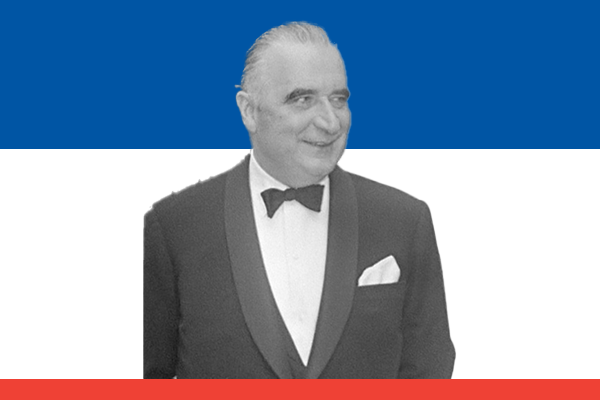
Early Life and Education
Georges Pompidou was born on July 5, 1911, in Montboudif, France. His father worked as a schoolteacher, and his modest background influenced his values throughout life. He pursued his studies at the prestigious Lycée Louis-le-Grand and later attended the École Normale Supérieure. He specialized in literature and classics, which helped him develop sharp analytical skills. After graduation, he taught literature for a short time before entering public service.
Entry into Public Service
Pompidou entered government service during World War II. He joined the Free French movement and later connected with Charles de Gaulle. His loyalty and intellect impressed de Gaulle, who relied on him for political advice. Pompidou steadily rose in influence and soon became one of de Gaulle’s trusted aides.
Appointment as Prime Minister
In April 1962, Charles de Gaulle appointed Georges Pompidou as Prime Minister of France. As head of the government, Pompidou carried out de Gaulle’s vision for national unity and independence. He managed the day-to-day administration, strengthened the role of the Fifth Republic, and handled pressing political challenges.
Handling Political Crises
Pompidou confronted one of the most turbulent events in modern French history—the May 1968 student and worker protests. Instead of ignoring the demonstrations, he engaged in dialogue and negotiated agreements with unions and protesters. His pragmatic approach helped restore order while preserving democratic principles. His leadership during the crisis increased public confidence in his abilities.
Economic and Social Reforms
As Prime Minister, Pompidou pushed for modernization. He promoted industrial growth, expanded infrastructure, and supported scientific research. He encouraged foreign investment while protecting French industries. His government invested in highways, urban development, and cultural institutions. He also launched programs to improve education and social welfare, which reflected his commitment to a balanced society.
Relationship with Charles de Gaulle
Pompidou remained loyal to de Gaulle, but he often acted independently. He believed in adapting policies to changing realities, even when they differed from de Gaulle’s strict principles. Their relationship occasionally grew tense, yet Pompidou’s effectiveness as Prime Minister ensured his long tenure. He became the longest-serving Prime Minister of the Fifth Republic, serving from 1962 to 1968.
Transition to the Presidency
When Charles de Gaulle resigned in 1969, Pompidou ran for president. His experience as Prime Minister gave him a strong advantage, and the French people elected him as the successor to de Gaulle. As President, he continued many of his earlier policies but also introduced his own vision of modernization and European integration.
Legacy as Prime Minister
Georges Pompidou shaped France during a time of transformation. He managed political crises with calm authority, strengthened the institutions of the Fifth Republic, and guided the country through modernization. His years as Prime Minister prepared him for the presidency and left a lasting mark on French political history.
Conclusion
Georges Pompidou played a crucial role in France’s postwar era. As Prime Minister, he combined loyalty to Charles de Gaulle with his own pragmatic leadership style. He stabilized the country during unrest, advanced modernization, and built the foundation for his presidency. His tenure demonstrated how effective leadership can balance tradition with progress.