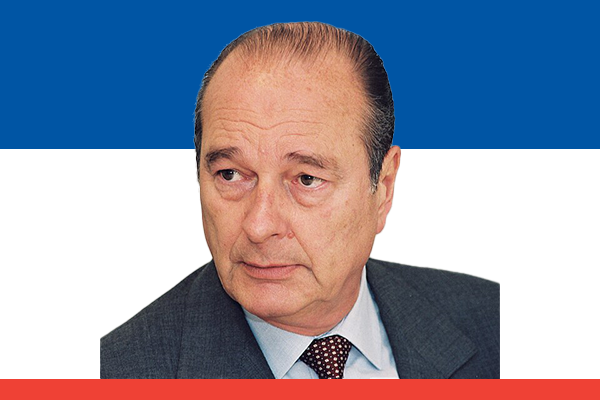
Early Political Rise
Jacques Chirac rose quickly through the French political landscape. He built strong connections with President Georges Pompidou. He gained valuable experience as a government minister before becoming Prime Minister. Chirac displayed remarkable energy and determination in his work. He earned the reputation of a bold and pragmatic leader.
Appointment as Prime Minister
President Valéry Giscard d’Estaing appointed Jacques Chirac as Prime Minister in 1974. Chirac accepted the challenge with great enthusiasm. He formed a government that balanced liberal economic reforms with traditional Gaullist values. He sought to strengthen state institutions while adapting France to modern challenges. Chirac emphasized the need for a strong executive power. He promoted efficiency and discipline in his administration.
Domestic Policies and Reforms
Chirac implemented several reforms to modernize France. Chirac encouraged industrial development and technological innovation. He supported agricultural modernization to protect rural communities. He also pursued housing and social programs to improve living standards. Chirac focused on infrastructure projects that enhanced urban development. He improved public services and transport systems across the country.
Chirac worked to reduce unemployment and stabilize the economy. He introduced measures to stimulate growth and attract investment. Chirac supported French industries in facing global competition. He believed in state intervention when necessary to preserve economic stability. Chirac defended the interests of workers and promoted national solidarity.
Political Conflicts and Challenges
Chirac experienced tension with President Giscard d’Estaing. The two leaders disagreed over economic and social policies. Chirac insisted on preserving Gaullist principles. Chirac demanded greater independence for his government. He clashed with the President on several issues of authority. Chirac eventually resigned in 1976 because of these conflicts. He left office but continued to strengthen his political base.
Leadership Style
Chirac demonstrated a direct and assertive style of leadership. He built close relations with local communities and political allies. He spoke to the people with clarity and energy. Chirac worked tirelessly to defend French national identity. He believed in practical solutions rather than abstract theories. He often acted decisively in the face of crises. Chirac motivated his team with confidence and vision.
Influence on French Politics
After leaving the Prime Minister’s office, Chirac founded the Rally for the Republic (RPR). strengthened his image as a defender of Gaullism. He mobilized supporters across France with determination. Chirac created a strong political force that influenced national policies for years. He shaped debates on economy, society, and foreign affairs. Chirac guided his movement with loyalty and conviction.
Chirac later returned as Prime Minister in 1986 under President François Mitterrand. He embraced cohabitation with skill and pragmatism. Chirac introduced liberal economic reforms, including privatization of state-owned companies. He focused on reducing the role of the state in the economy. Chirac encouraged private sector growth and investment. He navigated political divisions with resilience and determination.
Legacy as Prime Minister
Jacques Chirac left a lasting mark on French politics. showed flexibility and persistence throughout his career. Chirac connected with ordinary citizens and defended their interests. He adapted policies to changing global realities. He maintained a vision of France as a strong and independent nation. Chirac balanced modern reforms with traditional values.
Chirac’s years as Prime Minister prepared him for the presidency. He built networks of influence and experience that shaped his later rule. Chirac inspired trust among his supporters. He proved his ability to manage crises and challenges. Chirac emerged as a symbol of French political resilience.