Mr. Pierre Mauroy
In Office: 21 May 1981 – 17 July 1984
Political party: Socialist Party
Home State: Cartignies
Lifespan: 1928–2013
Country: France
Image credits available here.
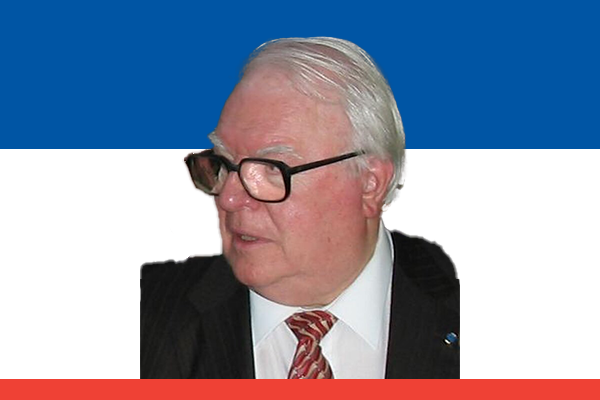
Early Life and Education
Pierre Mauroy was born on July 5, 1928, in Cartignies, France. He grew up in a modest family and valued education from an early age. He pursued higher studies at the École Normale Nationale d’Apprentissage in Paris. Mauroy chose teaching as his profession and started working as a teacher before entering politics. His humble beginnings and deep connection to the working class shaped his political vision.
Political Rise
Mauroy entered politics by joining the French Socialist movement. He became an active member of the French Section of the Workers’ International (SFIO). By the late 1950s, he had already taken leadership positions in Socialist youth organizations. He steadily built his reputation as a strong advocate of social justice and workers’ rights.
In 1973, he entered the National Assembly, where he promoted leftist policies. He later gained the trust of François Mitterrand, who recognized his organizational skills and loyalty to the Socialist cause. Mauroy also served as mayor of Lille from 1973 to 2001, modernizing the city and strengthening its economic base.
Appointment as Prime Minister
In 1981, François Mitterrand won the French presidency, and he appointed Pierre Mauroy as Prime Minister. Mauroy became the first Socialist to lead the French government under the Fifth Republic. His appointment marked the beginning of a new political era in France.
Economic and Social Reforms
As Prime Minister, Mauroy implemented bold reforms. He reduced the working week from 40 to 39 hours and lowered the retirement age from 65 to 60. He raised the minimum wage and improved social benefits, directly helping millions of workers and families.
Mauroy’s government also introduced measures to expand workers’ rights and improve education. He invested heavily in housing and healthcare. By focusing on equality, he tried to reshape France into a more socially balanced nation.
Challenges and Economic Struggles
Despite his reforms, Mauroy faced serious economic challenges. Inflation and unemployment rose during his tenure. International markets reacted negatively to his policies, forcing his government to adopt austerity measures. In 1983, he shifted toward economic realism by promoting budgetary discipline. This decision angered parts of the Socialist base but stabilized France’s financial position.
Foreign Policy Role
Mauroy also played a significant role in foreign affairs. He supported European integration and strengthened France’s position within the European Economic Community. He defended France’s international commitments while also backing peace and cooperation.
End of Premiership
In 1984, Mitterrand replaced Mauroy with Laurent Fabius as Prime Minister. Although his tenure ended, Mauroy continued to influence politics. He remained a strong voice in the Socialist Party and contributed to policy debates.
Later Career and Legacy
Mauroy served as Mayor of Lille for nearly three decades, transforming the city into a modern urban hub. He also became the First Secretary of the Socialist Party and worked internationally with the Socialist International.
Pierre Mauroy passed away on June 7, 2013. French leaders and citizens remembered him as a statesman who placed social justice at the heart of his policies. His legacy still influences France, especially in labor rights and urban development.
Conclusion
Pierre Mauroy played a historic role in shaping modern France. As Prime Minister, he championed social reforms, empowered workers, and strengthened democratic values. Although he faced economic challenges, he remained committed to his vision of a fair society. His work as mayor of Lille and his contributions to the Socialist movement secured him a place among France’s most respected political leaders.