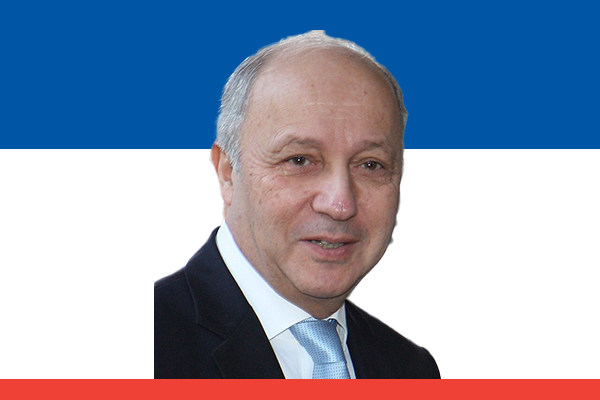
Early Life and Education
Laurent Fabius was born on August 20, 1946, in Paris, France. He grew up in a cultured family and pursued his education with determination. He studied at the prestigious Lycée Janson de Sailly and later attended the École Normale Supérieure. He also joined the École Nationale d’Administration (ENA), a school that trained many French leaders. His academic brilliance and strong oratory skills prepared him for a promising political career.
Entry into Politics
Fabius entered politics in the 1970s when the Socialist Party recognized his potential. François Mitterrand, then leader of the party, noticed his sharp intellect and persuasive abilities. Fabius quickly rose through the ranks and won respect within the party. In 1978, voters elected him as a deputy to the National Assembly, where he actively participated in shaping legislation.
Rise to Prominence
President François Mitterrand appointed Fabius as Budget Minister in 1981. Fabius implemented fiscal policies that focused on modernization and efficiency. He worked to balance economic growth with social welfare. His efforts impressed both colleagues and critics. In 1983, he became Minister of Industry and Research, where he promoted innovation and modernization of French industries.
Becoming Prime Minister
In 1984, François Mitterrand appointed Laurent Fabius as Prime Minister of France. At just 37 years old, Fabius became the youngest person to hold this position under the Fifth Republic. He approached governance with energy, ambition, and clarity. His appointment symbolized renewal and the arrival of a younger generation in French politics.
Domestic Policies and Reforms
Fabius focused on economic stability and modernization. He launched reforms to improve industry, strengthen competitiveness, and modernize infrastructure. Fabius encouraged innovation, advanced technology, and industrial growth. His government supported social programs that aimed to reduce inequality and strengthen public welfare.
Fabius also emphasized education and research. By investing in schools and universities, he sought to build a more skilled workforce. His government promoted cultural development, reflecting France’s deep artistic heritage.
Foreign Policy and International Role
As Prime Minister, Fabius played an important role in strengthening France’s global presence. He worked closely with European partners and reinforced France’s commitment to European integration. Fabius supported peace initiatives and advocated for strong diplomatic relations. His policies strengthened France’s reputation as a leader in international affairs.
Challenges and Criticism
Despite his accomplishments, Fabius faced challenges. His government struggled with economic difficulties, including unemployment and financial constraints. Critics accused his policies of favoring modernization over traditional industries. He also faced political controversies, which tested his leadership.
Later Career
After serving as Prime Minister from 1984 to 1986, Fabius continued to play an influential role in French politics. He remained a prominent member of the Socialist Party and served in various government positions. In later years, he became Minister of Foreign Affairs under President François Hollande, where he represented France on the international stage.
One of his most significant achievements was leading the negotiations for the 2015 Paris Agreement on Climate Change, which gained worldwide recognition. Fabius leadership in this global environmental pact demonstrated his enduring commitment to diplomacy and sustainable progress.
Legacy of Leadership
Laurent Fabius left a strong mark on French politics. He symbolized energy, reform, and modernization. As Prime Minister, he demonstrated that young leaders could take responsibility for guiding the nation. His later contributions in diplomacy showed his ability to adapt and remain relevant across decades.
Conclusion
Laurent Fabius became one of France’s most dynamic leaders. As the youngest Prime Minister under the Fifth Republic, he led the nation with reforms, determination, and vision. His later role in international diplomacy further strengthened his legacy. France remembers him as a leader who embraced change, modernized policies, and represented the country with honor.