Mr. Pierre Bérégovoy
In Office: 2 April 1992 – 29 March 1993
Political party: Socialist Party
Home State: Déville-lès-Rouen
Lifespan: 1925–1993
Country: France
Image credits available here.
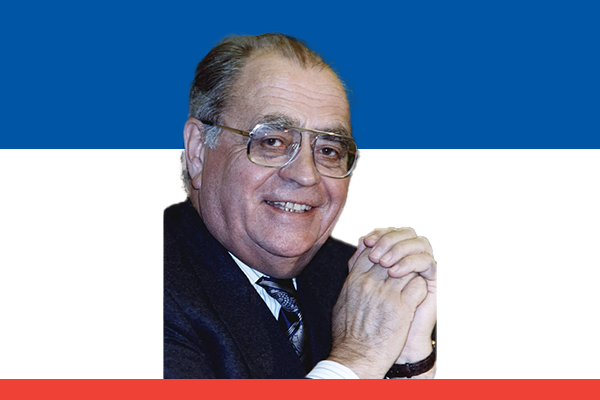
Early Life and Humble Beginnings
Pierre Bérégovoy was born on December 23, 1925, in Déville-lès-Rouen, France. He grew up in a modest family of Ukrainian immigrants. His parents instilled in him the values of hard work and determination. As a young man, he worked as a metalworker and later joined the French Resistance during World War II. His experience in the Resistance shaped his dedication to public service and justice.
Entry into Politics
Bérégovoy entered politics after the war. He joined the Socialist Party and built his career step by step. He worked closely with François Mitterrand, who later became President of France. His reputation as a loyal and hardworking politician grew steadily. Bérégovoy focused on economic and social reforms, which gained him recognition within the party.
Role as Minister of Social Affairs and Economy
President François Mitterrand appointed Bérégovoy as Minister of Social Affairs in the early 1980s. In this role, he improved social welfare programs and supported workers’ rights. Later, he became Minister of Economy and Finance. As finance minister, he stabilized the French franc and strengthened the country’s economic policies. He reduced inflation and encouraged growth by adopting pragmatic strategies.
Bérégovoy showed strong commitment to balancing social justice with economic modernization. He believed that France could achieve prosperity without ignoring the needs of ordinary citizens.
Appointment as Prime Minister
In April 1992, President Mitterrand appointed Pierre Bérégovoy as Prime Minister of France. Bérégovoy accepted the challenge during a period of economic and political uncertainty. He replaced Édith Cresson and took charge of leading the government.
Policies and Achievements as Prime Minister
Bérégovoy launched reforms to modernize France’s economy. He encouraged industrial innovation and supported European integration. He promoted stricter financial transparency to restore public trust in politics. His government reduced the budget deficit and sought to improve competitiveness in global markets.
He also worked on labor reforms, aiming to create jobs and reduce unemployment. Bérégovoy defended France’s role in the European Community and strongly supported the Maastricht Treaty. His leadership displayed a balance of economic discipline and social responsibility.
Challenges and Political Struggles
Despite his efforts, Bérégovoy faced challenges. The French economy slowed down, and unemployment remained high. Public dissatisfaction grew, and his popularity declined. The Socialist Party struggled in the 1993 legislative elections. The opposition gained power, which forced Bérégovoy to resign as Prime Minister.
Final Days and Tragic Death
After leaving office, Bérégovoy experienced great political and personal pressure. On May 1, 1993, he tragically took his own life in Nevers, France. His death shocked the nation and raised questions about the intense pressures of political life. Many remembered him as a man of integrity who fought tirelessly for social justice.
Legacy of Pierre Bérégovoy
Pierre Bérégovoy left a legacy of honesty, determination, and service to France. He rose from humble beginnings to become one of the nation’s leaders. His efforts to modernize the economy, protect social rights, and defend European unity remain important chapters in French political history.
Historians remember him as a dedicated public servant who valued justice and fairness. His story reflects both the challenges and sacrifices of political leadership.