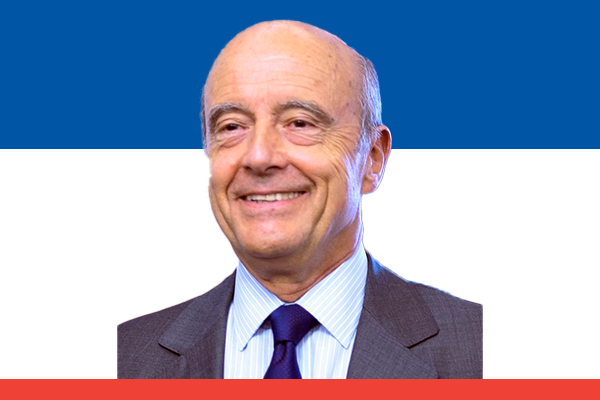
Mr. Alain Juppé
In Office: 17 May 1995 – 2 June 1997
Political party: Rally for the Republic
Home State: Mont-de-Marsan
Lifespan: Born–1945
Country: France
Image credits available here.
Early Life and Education
Alain Juppé was born on August 15, 1945, in Mont-de-Marsan, France. He grew up in a modest family, and his parents instilled in him discipline and strong values. He studied at the prestigious École Normale Supérieure and later attended the École Nationale d’Administration (ENA). These institutions shaped his intellectual foundation and prepared him for a successful career in public service.
Entry into Politics
Juppé entered politics in the 1970s. He joined the Rally for the Republic (RPR), a party led by Jacques Chirac. Chirac quickly recognized Juppé’s talent, and he became one of his closest allies. Juppé served as a deputy and gradually built his reputation as a skilled debater and strategist. His sharp intellect and calm demeanor earned him respect within the party and beyond.
Rise to Prime Minister
In 1995, Jacques Chirac won the French presidency, and he appointed Alain Juppé as Prime Minister. Juppé accepted the challenge and promised to modernize France. He introduced reforms in pensions, healthcare, and public administration. His leadership style emphasized decisiveness and commitment to fiscal discipline.
Reforms and Challenges
As Prime Minister, Juppé launched bold economic reforms. He pushed for changes in the pension system to address the country’s financial deficit. He also introduced austerity measures to stabilize the French economy. However, these reforms sparked nationwide strikes and protests in late 1995. Millions of workers opposed his plans, and France witnessed one of its largest social movements in decades. Despite the backlash, Juppé stood firm, insisting that reforms were necessary for the future of the nation.
Role in Foreign Policy
Juppé played an active role in shaping France’s foreign policy. He worked to strengthen France’s position in the European Union and supported deeper integration. He believed in building strong ties with Germany and other European partners. His government also dealt with international crises, including the Balkan conflicts, where France sought diplomatic solutions while supporting European stability.
Political Struggles and Decline
Juppé faced mounting criticism due to the social unrest and economic difficulties. In 1997, President Chirac dissolved the National Assembly, hoping to secure more support. However, the move backfired, and the opposition won the elections. As a result, Juppé stepped down as Prime Minister. Although he left office, he continued to influence French politics. He became the leader of the RPR and later the Union for a Popular Movement (UMP).
Later Career and Return to Government
Despite setbacks, Juppé maintained a strong presence in French politics. In 2004, a court convicted him in a corruption case related to party funding, and he temporarily withdrew from public life. However, he returned with resilience. He won the mayoralty of Bordeaux again and transformed the city into a modern and dynamic urban center. His popularity grew, and people praised his leadership.
In 2010, President Nicolas Sarkozy appointed Juppé as Minister of Defense, and later as Minister of Foreign Affairs. In these roles, he represented France on the global stage and reinforced its diplomatic influence.
Legacy of Alain Juppé
Alain Juppé’s career reflects resilience, intelligence, and dedication to public service. He governed France during a turbulent period, and his reforms left a lasting impact on economic policy. As mayor of Bordeaux, he revitalized the city and gained admiration for his vision. His foreign policy contributions strengthened France’s position in Europe and the world.
Juppé combined firmness with pragmatism. Although he faced criticism and political setbacks, he consistently returned to serve his country. His story shows how determination and leadership can shape both national and local politics.