Mr. John Ballance
In Office: 24 January 1891 – 27 April 1893
Political party: Liberal
Home State: Glenavy
Lifespan: 1839–1893
Country: New Zealand
Image credits available here.
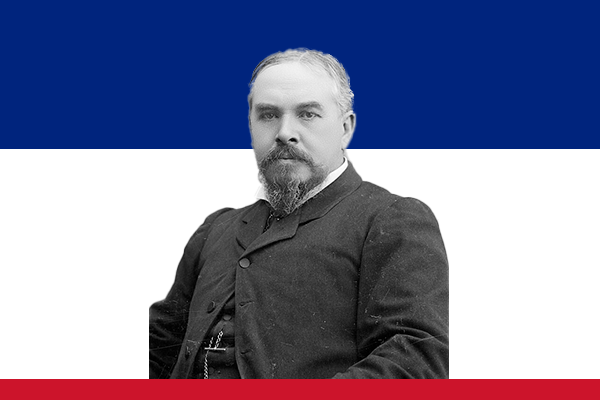
John Ballance: A Visionary Leader of New Zealand
John Ballance, born on 27 April 1839 in Ireland, moved to New Zealand in 1866. He established himself as a lawyer and journalist, which helped him gain recognition in New Zealand society. Ballance quickly became active in politics, driven by his vision of a fair and progressive society. His dedication and strong communication skills led him to secure a seat in the House of Representatives in 1875, representing the Wanganui electorate.
Early Political Career
Ballance joined the New Zealand political scene with a focus on liberal and progressive ideals. He became an advocate for land reform, education, and social justice. His early speeches and articles challenged the conservative establishment, and his ideas gained support among settlers and farmers. In 1884, Ballance co-founded the Liberal Party, which became New Zealand’s first organized political party. Through this platform, he promoted policies to redistribute land from large estates to small farmers, ensuring a fairer system.
Leadership and Premiership
In 1891, John Ballance assumed the role of New Zealand’s 14th Prime Minister. He led the country during a period of social and economic change. Ballance prioritized reforms that addressed inequality, focusing on improving the lives of ordinary citizens. He introduced legislation to regulate land ownership, expand access to education, and enhance workers’ rights. Ballance’s leadership strengthened the parliamentary system and cemented the Liberal Party’s influence in New Zealand politics.
Key Reforms and Achievements
John Ballance spearheaded several key reforms during his tenure. He expanded the state’s role in land redistribution, creating opportunities for small-scale farmers. His government enacted policies to improve public education and promoted accessible schooling for all children, regardless of social class. Ballance supported women’s suffrage, laying the groundwork for New Zealand to become the first self-governing country to grant women the right to vote in 1893. He also implemented social welfare measures, including initiatives to protect workers and provide assistance to those in need.
Ballance focused on building a fairer society, believing that government intervention could ensure equality and opportunity. His pragmatic approach to governance combined economic reform with social progress, earning him respect from supporters and rivals alike.
Legacy and Impact
John Ballance died on 27 April 1893 while still serving as Prime Minister. Despite his early death, he left a lasting impact on New Zealand politics. His leadership paved the way for the Liberal Party’s continued dominance and inspired future leaders to pursue progressive reforms. Ballance is remembered as a visionary statesman who championed equality, social justice, and political organization. Historians often cite his work as foundational in shaping New Zealand’s modern political landscape.
Conclusion
John Ballance’s career demonstrates the power of vision, leadership, and commitment to reform. From his early work as a journalist and lawyer to his transformative role as Prime Minister, Ballance actively shaped New Zealand’s development. His reforms in land, education, and social welfare benefited generations and established him as one of New Zealand’s most influential political figures.