Mr. Richard John Seddon
In Office: 27 April 1893 – 10 June 1906
Political party: Liberal
Home State: Eccleston
Lifespan: 1845–1906
Country: New Zealand
Image credits available here.
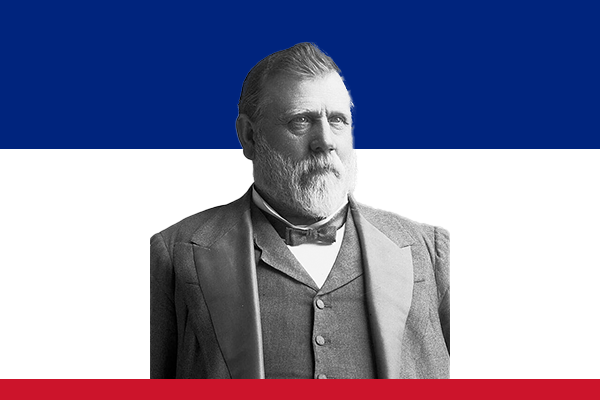
Richard John Seddon: New Zealand’s Longest-Serving Prime Minister
Richard John Seddon, often known as “King Dick”, remains one of New Zealand’s most influential political figures. Born on June 22, 1845, in Eccleston, Lancashire, England, Seddon emigrated to New Zealand in 1866. Starting his career as a miner and storekeeper, he quickly became involved in local politics, demonstrating a keen understanding of the struggles of ordinary people.
Seddon’s early political career began in the West Coast region, where he served on local boards and councils. His charisma, strong work ethic, and commitment to social reforms earned him the respect of his community. In 1879, he was elected to the New Zealand House of Representatives, representing the Westland electorate. His advocacy for miners’ rights, labor reforms, and social welfare programs marked the beginning of a long and transformative political journey.
Rise to Prime Minister
Seddon became Minister of Public Works and Minister of Mines before ascending to the premiership in 1893 after the resignation of John Ballance, the founder of the Liberal Party. At the age of 48, Seddon assumed the office of Prime Minister, a position he would hold for 13 years, making him the longest-serving Prime Minister in New Zealand’s history. His leadership coincided with significant economic, social, and political changes in the country.
Key Achievements and Policies
Seddon’s tenure was marked by progressive reforms that shaped modern New Zealand. He championed policies that supported workers, including improved labor conditions, old-age pensions, and land reforms that aimed to break up large estates and make land accessible to small farmers. Under his leadership, the government implemented protective tariffs to support local industries and introduced measures to regulate monopolies and prevent unfair business practices.
Seddon was also a strong advocate for women’s suffrage. Although the 1893 Electoral Act granting women the right to vote was passed shortly before he became Prime Minister, he continued to support and promote gender equality and social justice. His government invested in infrastructure, education, and public health, contributing to the growth and modernization of New Zealand.
Leadership Style and Legacy
Known for his authoritative yet approachable leadership style, Seddon earned the nickname “King Dick” due to his dominant presence in politics and his ability to maintain public support. He was a skilled orator and a man deeply connected to the needs of ordinary citizens. Seddon’s policies reflected his commitment to social welfare and his belief in the government’s role in improving the lives of New Zealanders.
Despite his accomplishments, Seddon faced criticism for his handling of Māori land issues and his sometimes autocratic decision-making. Nevertheless, his contributions to New Zealand’s social and political development remain highly regarded.
Death and Commemoration
Richard John Seddon served as Prime Minister until his death on June 10, 1906, while attending the Imperial Conference in London. His passing marked the end of an era in New Zealand politics, but his reforms and leadership left a lasting imprint on the nation. Today, he is remembered as a visionary leader who advanced social justice and helped shape New Zealand’s identity as a progressive nation.