PRESIDENTS OF FRANCE
Presidents of France: A Historical Overview
France, known for its rich political history, has had several presidents since the establishment of the office in 1848. The President of France serves as the head of state and plays a vital role in shaping the country’s domestic and foreign policies. Over the decades, the presidency has evolved significantly, reflecting the changing political and social landscape of France.
LIST OF PRESIDENTS OF FRANCE

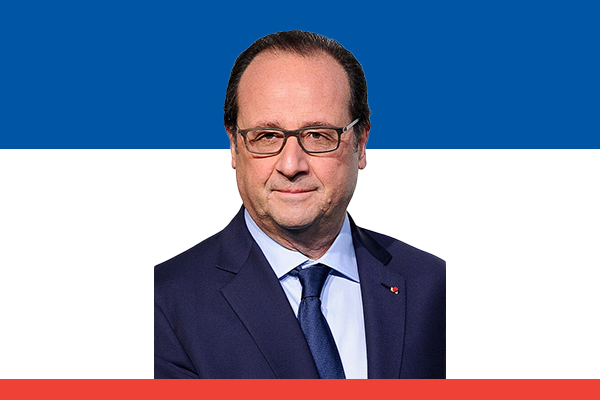
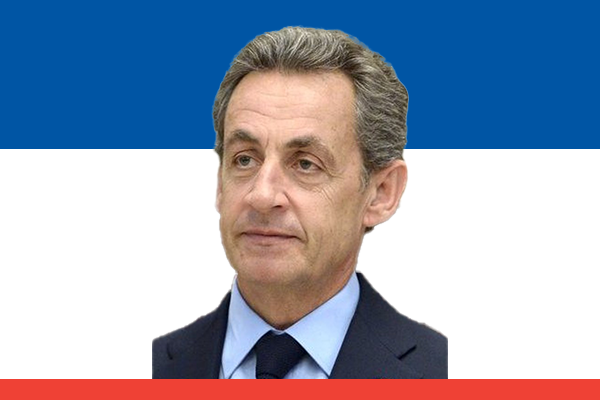
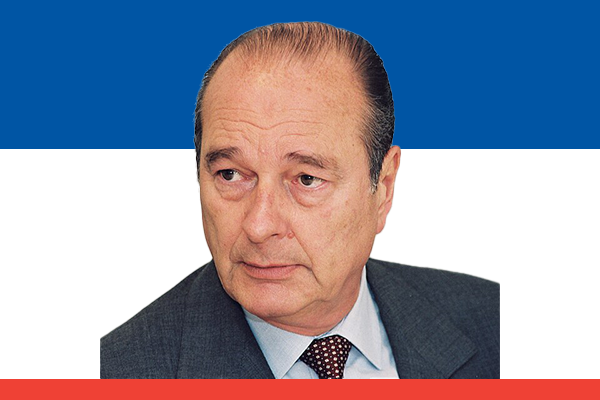

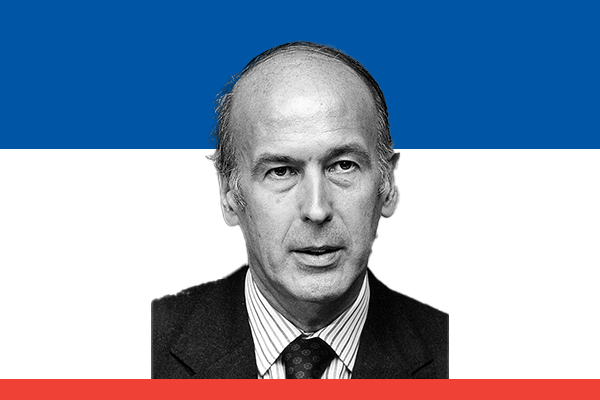


Establishment of the Presidency
President of France came into existence after the 1848 Revolution when the Second Republic was established. Louis-Napoléon Bonaparte became the first President of France in 1848. His election marked the beginning of a new era in French politics, aiming to balance democratic principles with strong leadership.
Presidents of the Fifth Republic
The current French Republic, known as the Fifth Republic, began in 1958 under the leadership of Charles de Gaulle. He introduced a new constitution that strengthened presidential powers, ensuring stability after years of political turmoil. Since then, the presidency has become the most powerful office in France.
Key Presidents of the Fifth Republic include:
- Charles de Gaulle (1959–1969): Known for establishing the modern French state and pursuing independent foreign policies.
- Georges Pompidou (1969–1974): Focused on economic modernization.
- Valéry Giscard d’Estaing (1974–1981): Introduced liberal reforms and modernization efforts.
- François Mitterrand (1981–1995): The longest-serving French president, known for socialist policies and European integration.
- Jacques Chirac (1995–2007): Advocated for social cohesion and opposed the Iraq War.
- Nicolas Sarkozy (2007–2012): Implemented economic reforms and had a proactive foreign policy.
- François Hollande (2012–2017): Faced economic challenges and security issues.
- Emmanuel Macron (2017–Present): The youngest French president, focusing on economic reforms, EU leadership, and global diplomacy.
Role and Responsibilities
The President of France serves as the commander-in-chief, represents the nation internationally, and ensures the constitution’s integrity. The office combines ceremonial duties with substantial political powers, such as appointing the prime minister, dissolving parliament, and leading defense and foreign policy.
Conclusion
The Presidents of France have shaped the nation’s history through their policies, leadership styles, and responses to crises. From Louis-Napoléon Bonaparte to Emmanuel Macron, the office continues to symbolize France’s commitment to democracy, stability, and global influence.