Mr. Geoffrey Palmer
In Office: 8 August 1989 – 4 September 1990
Political party: Labour
Home State: Nelson
Lifespan: born 1942
Country: New Zealand
Image credits available here.
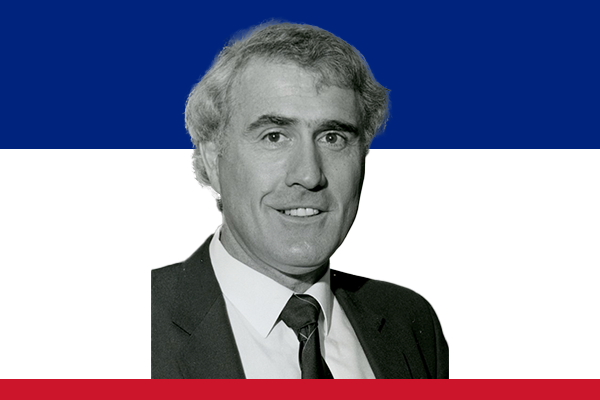
Early Life and Education
Geoffrey Winston Russell Palmer was born on April 21, 1942, in Nelson, New Zealand. He studied political science and law at Victoria University of Wellington and later earned a Doctorate in Law from the University of Chicago. His academic career shaped his passion for law, governance, and constitutional reform.
Entry into Politics
Palmer entered politics in 1979 as a member of the Labour Party, representing the Christchurch Central electorate. His academic background gave him a strong grasp of legal and constitutional issues, quickly making him an influential figure in parliamentary debates.
Rise to Deputy Prime Minister
Following the Labour Party’s victory in 1984 under Prime Minister David Lange, Palmer became Deputy Prime Minister and Attorney-General. He played a pivotal role in shaping government policy, focusing on legal and constitutional reforms to modernize New Zealand’s governance framework.
Becoming Prime Minister
In August 1989, after David Lange resigned, Geoffrey Palmer succeeded him as New Zealand’s 33rd Prime Minister. His leadership style contrasted sharply with his predecessor’s charismatic approach. Palmer was methodical, principled, and academic, preferring structured reforms over populist politics.
Constitutional and Legal Reforms
Palmer is best remembered for his far-reaching constitutional and legal reforms. He oversaw the passage of the Constitution Act 1986, which clarified the roles of Parliament, the executive, and the judiciary, ensuring a clearer separation of powers.
He also introduced the Bill of Rights Act 1990, aimed at protecting civil liberties and strengthening democratic institutions. His legal expertise transformed New Zealand’s governance, laying the foundation for a more transparent and accountable political system.
Environmental and Social Policies
As Prime Minister, Palmer championed environmental conservation, passing legislation to safeguard New Zealand’s natural heritage. He strongly supported the Resource Management Act, which became one of the country’s most significant environmental laws.
Palmer also emphasized social policies promoting equality, education, and healthcare, ensuring that economic growth did not compromise social justice or environmental protection.
Leadership Style and Challenges
Palmer’s leadership was intellectual rather than populist. He preferred reasoned debate over political showmanship, which sometimes made him appear detached from everyday voters. Moreover, his tenure coincided with economic reforms known as “Rogernomics,” led by Finance Minister Roger Douglas, involving deregulation and market liberalization.
These reforms were controversial, causing political tension within the Labour Party and among voters, ultimately affecting Palmer’s popularity.
Transition and Resignation
In September 1990, recognizing Labour’s declining public support and the approaching general election, Palmer stepped down voluntarily, allowing Mike Moore to lead the party. This decision reflected his pragmatic approach, prioritizing party unity over personal ambition.
Legacy and Contributions
Despite his short tenure as Prime Minister, Geoffrey Palmer’s legacy remains significant. He modernized New Zealand’s constitutional framework, strengthened democratic governance, and advanced environmental law.
After leaving politics, Palmer returned to academia and public service. He later chaired the Law Commission and contributed to international law, including work on environmental and treaty law reforms.
Enduring Impact
Palmer’s intellectual approach to leadership reshaped New Zealand’s legal and political institutions. His emphasis on constitutional clarity, human rights, and environmental sustainability continues to influence policy discussions today.