Dame Jacinda Ardern
In Office: 26 October 2017 – 25 January 2023
Political party: Labour
Home State: Hamilton
Lifespan: born 1980
Country: New Zealand
Image credits available here.
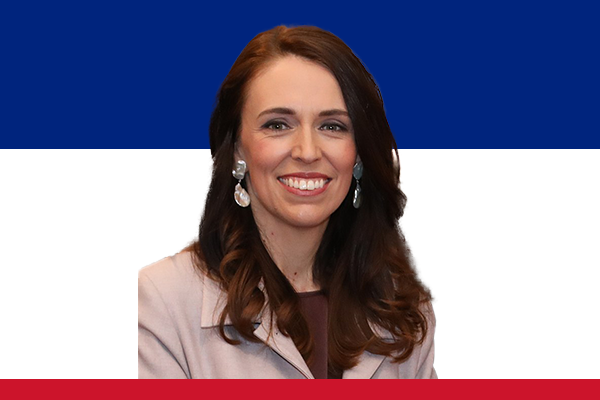
Early Life and Education
Dame Jacinda Kate Laurell Ardern was born on July 26, 1980, in Hamilton, New Zealand. Raised in a working-class family in Morrinsville and Murupara, she developed an early interest in social justice and politics. Ardern earned a Bachelor of Communication Studies degree in politics and public relations from the University of Waikato, shaping the foundation for her future in public service.
Political Beginnings and Rise to Prominence
Ardern joined the Labour Party at a young age, inspired by its values of equality and fairness. She worked as a researcher for Prime Minister Helen Clark and later served as an advisor in the United Kingdom Cabinet Office. In 2008, she entered New Zealand’s Parliament as the youngest Labour MP. Her charisma, intelligence, and commitment to progressive causes quickly propelled her into leadership roles.
In 2017, after Labour’s leadership crisis, Ardern became the Leader of the Opposition just months before the general election. Her energy and authenticity transformed the campaign, a phenomenon famously dubbed “Jacindamania.”
Becoming Prime Minister
Following the 2017 general election, Labour formed a coalition government with New Zealand First and the Green Party. At just 37, Jacinda Ardern became the country’s 40th Prime Minister and the youngest female leader in the world at the time. Her historic rise marked a generational shift in New Zealand politics.
Progressive Policies and Governance
As Prime Minister, Ardern prioritized child poverty reduction, affordable housing, climate change action, and mental health initiatives. Her government introduced policies such as free lunches for school children, extended paid parental leave, and a commitment to a zero-carbon future. She championed kindness in politics, emphasizing empathy alongside economic growth.
Crisis Leadership and Global Recognition
Ardern’s leadership during crises earned her international acclaim. After the tragic Christchurch mosque shootings in March 2019, she responded with compassion and decisiveness, swiftly reforming gun laws and standing in solidarity with the Muslim community.
During the COVID-19 pandemic, New Zealand’s elimination strategy under her government kept cases and fatalities among the lowest in the world for much of 2020 and 2021, drawing praise for its clarity and effectiveness.
Challenges and Criticism
Despite her popularity, Ardern faced criticism over housing affordability, rising living costs, and economic recovery post-pandemic. Some viewed her government as struggling to deliver on ambitious promises, leading to political challenges as the 2023 election approached.
Resignation and Legacy
On January 19, 2023, Jacinda Ardern announced her resignation, stating she “no longer had enough in the tank” to continue leading. She stepped down on January 25, 2023, handing over leadership to Chris Hipkins.
Her legacy endures as one of compassion, resilience, and progressive values. Ardern redefined political leadership by combining empathy with action, inspiring leaders and citizens worldwide.