Early Life and Education
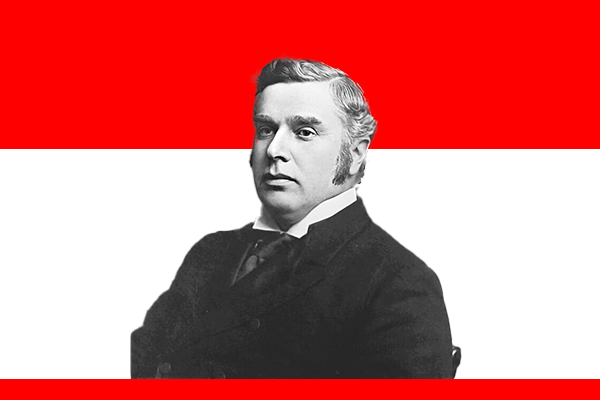
John Sparrow David Thompson was born on November 10, 1845, in Halifax, Nova Scotia. He came from a modest background but demonstrated exceptional intelligence and a keen interest in academics from a young age. Thompson pursued law and soon gained a reputation as a skilled lawyer. His strong legal background helped him secure significant positions in provincial and national politics.
Entry into Politics
Thompson began his political journey in Nova Scotia’s provincial government, serving as Attorney General. His legal expertise and dedication to public service made him a respected figure in the political landscape. He quickly rose through the ranks, becoming Premier of Nova Scotia in 1882. Though his tenure was short, his commitment to justice and governance left a lasting impression.
Move to Federal Politics
In 1885, Sir John A. Macdonald, Canada’s first Prime Minister, recognized Thompson’s potential and invited him to join the federal Conservative government. Thompson served as Minister of Justice, where he introduced significant reforms to Canada’s legal system. His work on the Criminal Code of Canada became one of his most notable achievements, modernizing the nation’s legal framework and ensuring fairness and consistency in its application.
Becoming Prime Minister
After the death of Sir John A. Macdonald and a series of short-term Conservative leaders, Thompson emerged as a strong candidate for leadership. On December 5, 1892, he became Canada’s fourth Prime Minister. His tenure marked a period of stability and progress for the Conservative Party and the nation as a whole.
Major Contributions
- Thompson’s leadership focused on strengthening Canada’s institutions and economy. Some of his key contributions include:
- Legal Reforms: He played a central role in shaping Canada’s legal system, leaving a legacy of fairness and justice.
- Economic Policies: He supported economic growth and industrial development, encouraging trade and infrastructure expansion.
- National Unity: Thompson worked to maintain harmony between English and French Canadians, ensuring political stability.
- His ability to combine legal knowledge with political acumen earned him respect across party lines.
International Recognition
Thompson gained international recognition when Queen Victoria offered him a knighthood. In 1894, he traveled to Windsor Castle to be sworn into the British Privy Council. Tragically, he died suddenly on December 12, 1894, at Windsor Castle, cutting short a promising career.
Legacy
Though Thompson’s tenure as Prime Minister lasted only two years, his contributions to Canada’s legal and political systems had long-lasting effects. The Criminal Code reforms he championed remain a cornerstone of Canadian law. He is remembered as a leader who combined intellect, integrity, and vision in shaping Canada’s future.
Conclusion
John Sparrow David Thompson’s life and leadership highlight the impact one individual can have on a nation’s development. As Canada’s fourth Prime Minister, he brought legal expertise, political stability, and a commitment to national unity that continue to influence the country today. His untimely death left Canadians wondering what more he could have achieved had he lived longer.