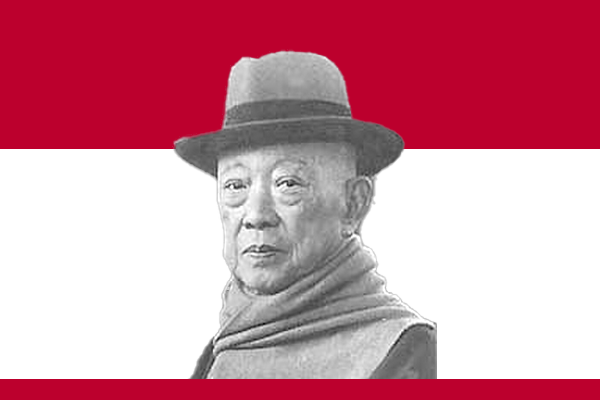
Early Life and Education
Saionji Kinmochi, born on December 7, 1849, in Kyoto, emerged as one of Japan’s most influential political leaders. Coming from a noble family, he enjoyed privileges that allowed him to access quality education. He traveled to France in 1871 and studied law and Western political systems, experiences that greatly influenced his liberal political thinking. When he returned to Japan, he carried with him fresh ideas about constitutional government and modern reforms.
Entry into Politics
Saionji actively participated in Japan’s political transformation during the Meiji era. He joined the government and advocated modernization and democratic reforms. In 1882, he helped form the Rikken Kaishintō (Constitutional Reform Party), aiming to introduce parliamentary democracy in Japan. His passion for Western-style governance shaped his political philosophy and his approach to leadership.
Role as Education Minister
The Japanese government appointed Saionji as Minister of Education in 1887. He introduced progressive reforms, modernized the curriculum, and promoted education for women. Saionji strongly believed that a modern nation required an educated populace, and he actively worked to expand access to schooling across the country.
Rise to Prime Ministership
Saionji’s reputation as a liberal thinker and reformer grew, and in 1906, he became Prime Minister of Japan. He succeeded Katsura Tarō and immediately focused on modernizing the country’s economy and military while maintaining parliamentary democracy. His leadership reflected a delicate balance between liberal reforms and practical governance.
During his first term (1906–1908), Saionji supported industrial expansion, improved transportation infrastructure, and encouraged economic growth. He also faced challenges from the military, which demanded greater influence over government decisions. Saionji firmly defended civilian control over the military, resisting attempts to expand its political power.
Second Term as Prime Minister
In 1911, Saionji returned for his second term as Prime Minister. This period witnessed political tensions between civilian authorities and the increasingly assertive military establishment. When the Army demanded more funds for expansion, Saionji refused, prioritizing financial stability over military ambitions.
His stance led to the Taisho Political Crisis in 1912, when the military refused to nominate a War Minister, forcing Saionji to resign. Despite this setback, he earned admiration for defending parliamentary principles against authoritarian pressures.
Contribution as Genrō
After resigning, Saionji joined the Genrō, the group of elder statesmen who advised the Emperor on important political matters. As the last surviving Genrō, Saionji influenced cabinet appointments and national policies until his death. His wisdom and political experience guided Japan through turbulent times, including the early Showa era.
Legacy and Death
Saionji Kinmochi passed away on November 24, 1940, leaving behind a legacy of liberalism, constitutionalism, and civilian supremacy over the military. Historians remember him as the last aristocratic Prime Minister who championed democracy during a period when militarism threatened Japan’s political system.
Conclusion
Saionji Kinmochi shaped Japan’s political landscape with his liberal ideals, commitment to education, and defense of parliamentary democracy. His leadership bridged the gap between traditional aristocracy and modern governance, making him a pivotal figure in Japan’s journey toward modernization.