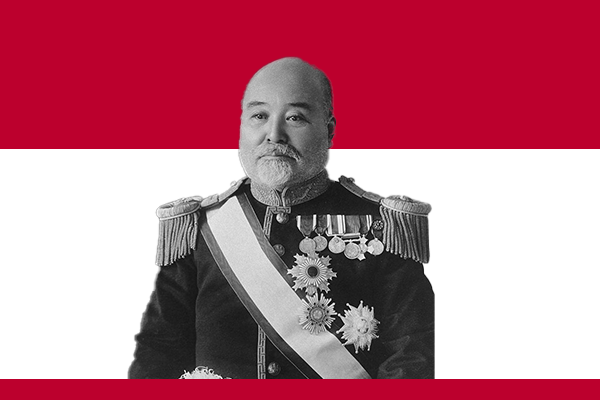
Early Life and Education
Takahashi Korekiyo was born on July 27, 1854, in Edo, Japan (now Tokyo). He grew up during a time of immense political and cultural change in Japan as the nation transitioned from the Tokugawa shogunate to the Meiji Restoration. Determined to acquire modern knowledge, he studied English and Western subjects, which equipped him with skills essential for Japan’s modernization. His early interest in finance and economics laid the foundation for his future political career.
Entry into Government Service
Takahashi entered government service by working in the Ministry of Education. He actively participated in Japan’s efforts to modernize its education system along Western lines. Later, he joined the Ministry of Finance, where his expertise in economics and international affairs gained recognition. He traveled abroad, observed Western financial systems, and brought valuable insights back to Japan.
Rise in Politics
Takahashi Korekiyo steadily rose through the political ranks due to his administrative efficiency and economic knowledge. He became involved in securing foreign loans for Japan, particularly during the Russo-Japanese War (1904–1905). His successful negotiations boosted Japan’s financial credibility on the global stage and demonstrated his diplomatic skills.
Term as Prime Minister
Takahashi Korekiyo served as Japan’s Prime Minister from November 13, 1921, to June 12, 1922. During his tenure, he focused on stabilizing Japan’s economy and strengthening its political institutions. He implemented fiscal policies to promote industrial growth and supported diplomatic efforts for peace in East Asia. He actively worked with cabinet members to modernize Japan’s economy and expand its global influence.
Economic Reforms and Achievements
As both Prime Minister and later as Finance Minister, Takahashi Korekiyo introduced several economic reforms. He promoted government spending to stimulate economic growth and fought to maintain financial stability during periods of global economic uncertainty. His policies helped Japan recover from post-war economic challenges and paved the way for industrial expansion.
One of his significant achievements involved Japan’s return to the gold standard, which stabilized the yen and strengthened international trade. He believed in balancing fiscal responsibility with economic growth, a principle that influenced Japanese economic policy for years.
Diplomatic Efforts
Takahashi supported peaceful diplomacy in East Asia. He encouraged Japan to cooperate with Western powers and Asian neighbors rather than pursue aggressive military expansion. His leadership coincided with the Washington Naval Conference (1921–1922), where Japan agreed to limit naval armaments, promoting regional peace and reducing military spending.
Legacy and Assassination
Takahashi Korekiyo’s economic vision left a lasting impact on Japan. Historians credit him with steering Japan toward modernization and financial stability. However, his opposition to excessive military spending made him a target of ultranationalists. On February 26, 1936, rebels assassinated him during the infamous February 26 Incident, marking a tragic end to his remarkable career.
Despite his death, his contributions to Japan’s economic and political development remain significant. Economists and policymakers still study his fiscal strategies for insights into balancing growth and stability.
Conclusion
Takahashi Korekiyo played a pivotal role in shaping modern Japan. From securing foreign loans to introducing economic reforms and supporting diplomacy, he transformed Japan into a more stable and progressive nation. His active leadership and forward-looking policies continue to inspire generations of political and economic leaders.