Mr. Katō Tomosaburō
In Office: 12 June 1922 – 24 August 1923
Political Party: Military
Home State: Hiroshima Domain
Lifespan: 1861–1923
Country: Japan
Image credits available here.
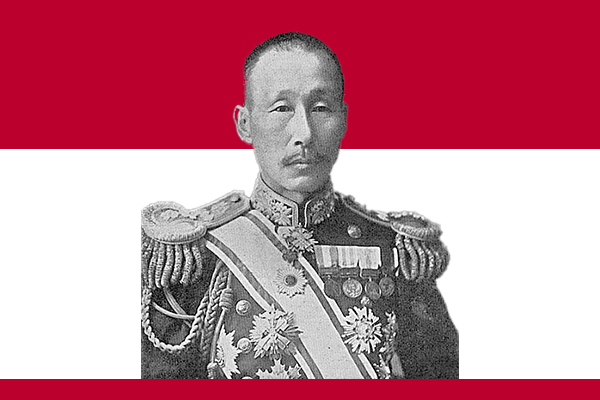
Early Life and Education
Katō Tomosaburō was born on April 3, 1861, in Hiroshima Prefecture, Japan. He pursued his studies diligently and developed a strong interest in politics, administration, and Japan’s modernization. As a young man, he gained exposure to Western ideas and systems, which later shaped his vision for Japan’s growth and international relations.
Entry into Politics and Public Service
Katō began his political career by serving in various administrative positions within the Japanese government. He worked hard to understand the needs of the people and the challenges the nation faced after the Meiji Restoration. His dedication to public service soon earned him a reputation as a capable leader who valued modernization, diplomacy, and economic development.
Rise to Prominence
The Japanese government recognized Katō Tomosaburō for his leadership skills and ability to handle complex political matters. He rose steadily through the ranks, holding key roles that allowed him to contribute to Japan’s military and naval policies. His deep interest in international diplomacy and modernization attracted the attention of senior political figures, eventually leading him to national leadership.
Becoming the Prime Minister
Katō Tomosaburō became the Prime Minister of Japan on June 12, 1922. As the head of government, he focused on strengthening Japan’s international standing and advancing domestic reforms. He actively promoted modernization in administration, education, and industry. His government worked to stabilize Japan’s economy, improve infrastructure, and encourage trade with other nations.
Key Achievements During His Tenure
Katō Tomosaburō’s tenure as Prime Minister marked a significant period in Japan’s political history. He played a vital role in shaping Japan’s foreign policy, ensuring peaceful relations with neighboring countries, and promoting diplomatic ties with Western nations. He supported Japan’s participation in international agreements that limited naval armaments, thus contributing to global peace efforts.
On the domestic front, Katō focused on strengthening the economy and introducing modern administrative systems. He encouraged industrial growth and technological advancement, believing that modernization was the key to Japan’s progress. His government also emphasized education reforms to produce a skilled and educated workforce for the future.
Leadership Style and Vision
Katō Tomosaburō led with a clear vision for Japan’s development. He believed in diplomacy over conflict and modernization over isolation. His leadership style reflected his commitment to reforms, efficiency, and progressive governance. He inspired many young leaders to adopt modern ideas while preserving Japan’s cultural heritage.
Legacy and Death
Katō Tomosaburō’s tenure as Prime Minister ended with his death on August 24, 1923, while still in office. Despite his short time as Japan’s leader, he left a lasting legacy of modernization, diplomatic progress, and administrative reforms. Historians remember him as a leader who balanced tradition with modernity and worked tirelessly to place Japan on the global stage.
Conclusion
Katō Tomosaburō transformed Japan through progressive policies, modernization efforts, and international diplomacy. His leadership laid the foundation for Japan’s economic and political growth in the 20th century. Even though his tenure was brief, his vision and reforms continue to influence Japan’s political and economic development.