Early Life and Education
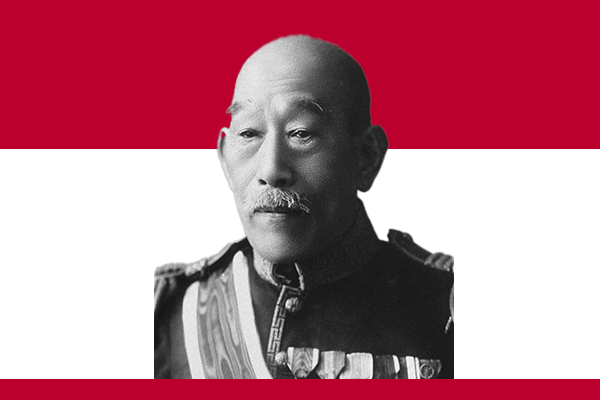
Kiyoura Keigo was born on February 14, 1850, in Higo Province (modern-day Kumamoto Prefecture), Japan. He grew up during a time when Japan experienced major political and social changes with the decline of the Tokugawa shogunate and the rise of the Meiji government. He pursued studies in Western law and political systems to understand the principles of modern governance. His dedication to learning enabled him to secure a strong position in Japan’s emerging political framework.
Entry into Government Service
The Meiji government recognized Kiyoura’s knowledge and leadership qualities, so it appointed him to various administrative posts. He worked diligently as a legal expert and contributed to the modernization of Japan’s legal codes. Kiyoura helped draft several important laws and regulations that transformed Japan from a feudal society into a modern state. His skill in law and governance soon earned him positions of greater responsibility within the government.
Rise in Politics
Kiyoura entered politics during a period when Japan underwent rapid industrialization and centralization of power. He served as Minister of Justice and later as Home Minister. In these roles, he strengthened the legal framework and introduced reforms that improved administrative efficiency.
As Home Minister, Kiyoura expanded police powers to maintain public order during times of political unrest. He also promoted reforms that enhanced the efficiency of Japan’s local administrative units. These measures helped Japan maintain internal stability while pursuing modernization policies.
Appointment as Prime Minister
On January 7, 1924, Emperor Taishō appointed Kiyoura Keigo as the 23rd Prime Minister of Japan. He formed a cabinet primarily composed of members from the House of Peers and bureaucrats instead of party politicians. Because of this, many political parties opposed his government, viewing it as undemocratic and out of touch with Japan’s growing parliamentary system.
Kiyoura tried to maintain a neutral and efficient government, but the lack of party support limited his ability to pass significant reforms. His administration mainly focused on routine governance rather than major policy changes.
Challenges During Tenure
During his short tenure, Kiyoura faced several political challenges. The major political parties—Rikken Seiyūkai and Kenseikai—united against him, making it difficult for his cabinet to function smoothly. Opposition leaders criticized him for ignoring party politics at a time when Japan moved toward a parliamentary democracy.
Because of this political deadlock, Kiyoura dissolved the House of Representatives and called for a general election in March 1924. The election resulted in a landslide victory for the opposition parties, forcing Kiyoura to resign on June 11, 1924, just six months after taking office.
Later Life and Legacy
After resigning as Prime Minister, Kiyoura retired from active politics but continued to serve as a senior statesman. He received the title of Count in the Japanese peerage system and remained respected for his administrative skills and contributions to law and governance.
Kiyoura Keigo passed away on November 5, 1942. Historians remember him as a skilled bureaucrat and legal expert rather than a party politician. His career reflected Japan’s transitional phase from an oligarchic government toward a more democratic system.