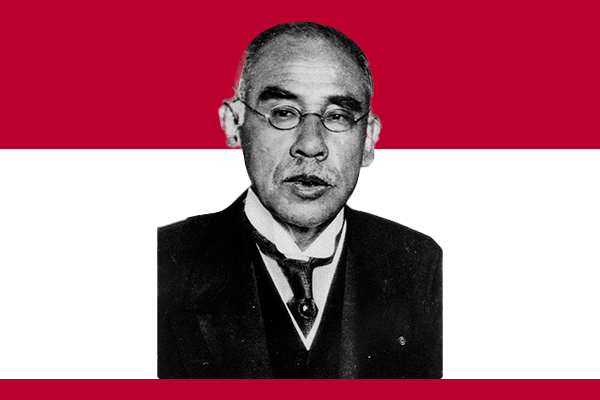
Early Life and Education
Katō Takaaki was born on January 25, 1860, in Aichi Prefecture, Japan. He grew up during the transformative years of the Meiji Restoration, which brought sweeping changes to Japanese society. Katō embraced education as the key to national progress. He studied at Tokyo Imperial University before traveling to Britain to learn more about Western institutions, culture, and politics. His time abroad shaped his thinking and prepared him for a career in diplomacy and governance.
Diplomatic Career and Rise in Politics
After returning to Japan, Katō Takaaki entered the Foreign Ministry and quickly established himself as a capable diplomat. He represented Japan in various international negotiations, working tirelessly to secure the nation’s interests. In 1906, he became Japan’s ambassador to the United Kingdom. There, he strengthened relations between Japan and Britain and contributed to the renewal of the Anglo-Japanese Alliance in 1911.
Katō’s reputation as a skilled diplomat helped him gain entry into politics. He joined the Rikken Dōshikai party and rose through the ranks, eventually becoming its leader. His political journey reflected his belief in constitutional government and his dedication to democratic reforms.
Leadership as Prime Minister
Katō Takaaki became Japan’s 14th Prime Minister in 1924. He led the country during a time known as the “Taishō Democracy,” a period marked by growing calls for political and social reforms. As Prime Minister, Katō worked to strengthen democratic institutions. He promoted universal male suffrage, giving more Japanese citizens the right to vote. His government passed the General Election Law in 1925, which expanded voting rights to all adult males, significantly increasing political participation.
Katō also supported the Peace Preservation Law, aiming to maintain public order during a time of rapid political change. Though the law drew criticism for limiting freedom of expression, Katō viewed it as necessary to protect Japan’s stability.
Economic and Foreign Policies
Under Katō’s leadership, Japan continued to modernize its economy. He encouraged industrial growth, improved infrastructure, and sought to balance agricultural and urban development. Internationally, Katō pursued peaceful diplomacy. He strengthened ties with Western powers and promoted Japan’s role in global affairs without resorting to militarism.
His government respected the Washington Naval Treaty of 1922, which limited naval armaments among major powers. By doing so, Katō demonstrated Japan’s willingness to cooperate in maintaining world peace while focusing on domestic progress.
Challenges and Final Years
Despite his achievements, Katō faced political opposition and economic difficulties. Japan’s rural population struggled with poverty, and labor movements demanded better conditions. Balancing democratic reforms with social order tested his leadership skills.
Katō Takaaki served as Prime Minister until his death on January 28, 1926. His passing marked the end of an era in Japanese politics, as he had symbolized moderate leadership and democratic ideals during a critical period in Japan’s history.
Legacy of Katō Takaaki
Historians remember Katō Takaaki as a leader who championed democracy and modernization. He expanded political participation, strengthened Japan’s international reputation, and guided the nation through a period of significant change. His reforms laid the foundation for Japan’s political development in the 20th century.