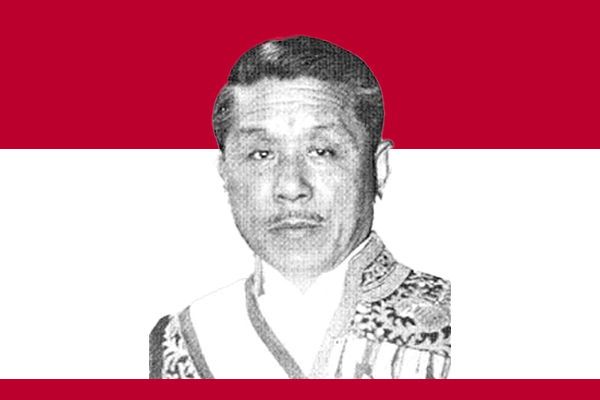
Early Life and Education
Kōki Hirota was born on February 14, 1878, in Fukuoka, Japan. His family supported him as he pursued education at Tokyo Imperial University, where he studied law and politics. He showed remarkable interest in diplomacy and governance, which led him toward a career in public service. His academic success opened the door to Japan’s Foreign Ministry, where he started as a diplomat and rose through the ranks with dedication and hard work.
Diplomatic Career
The Japanese government entrusted Hirota with key diplomatic responsibilities. He served in various foreign embassies and gained valuable experience in international relations. His time as Ambassador to the Soviet Union helped him understand global power dynamics. He negotiated with other countries on trade, security, and foreign policy matters, which enhanced Japan’s international standing.
In 1933, the government appointed him as Japan’s Foreign Minister. He played a major role in shaping Japan’s foreign policies during a turbulent period marked by global conflicts and rising militarism. His famous “Hirota Three Principles” outlined Japan’s strategic goals in Asia, including cooperation with China and opposition to communism.
Becoming Prime Minister
In 1936, Japan faced political instability after the February 26 Incident, a military coup attempt. The cabinet resigned, and the Emperor asked Kōki Hirota to form a new government. He accepted the responsibility and became Japan’s Prime Minister on March 9, 1936.
As Prime Minister, Hirota aimed to stabilize the government and maintain a balance between civilian authority and growing military influence. He focused on diplomacy and sought peaceful solutions to conflicts. He also introduced reforms to strengthen Japan’s economy and foreign relations while maintaining internal order.
Key Policies and Achievements
Kōki Hirota supported policies that expanded Japan’s influence in East Asia. He promoted diplomatic negotiations with China while trying to limit Soviet influence in the region. His government worked on improving Japan’s military readiness without completely surrendering political control to the armed forces.
Under his leadership, Japan signed important agreements with Germany and Italy, which later evolved into the Axis Powers alliance. At the same time, Hirota tried to maintain trade relations with Western countries to avoid complete isolation.
Challenges and Resignation
Despite his efforts, Hirota faced increasing pressure from the military, which demanded more power in government decisions. The military leaders wanted greater control over defense and foreign policy matters. When Hirota resisted these demands, conflicts grew between his cabinet and the armed forces.
By January 1937, the situation became untenable. The military refused to cooperate unless its demands were met, forcing Hirota to resign. He stepped down on February 2, 1937, after serving for nearly eleven months as Prime Minister.
Later Life and Tragic End
After resigning, Hirota continued to serve Japan diplomatically. However, following World War II, the Allied occupation authorities held him responsible for Japan’s wartime actions. The Tokyo War Crimes Tribunal tried him as a Class A war criminal. In 1948, the tribunal sentenced him to death, and he was executed on December 23, 1948.
Legacy
Historians remember Kōki Hirota as a skilled diplomat and a leader who tried to balance peace and power during Japan’s turbulent era. His policies influenced Japan’s foreign relations and domestic politics, leaving a complex legacy in the nation’s history.