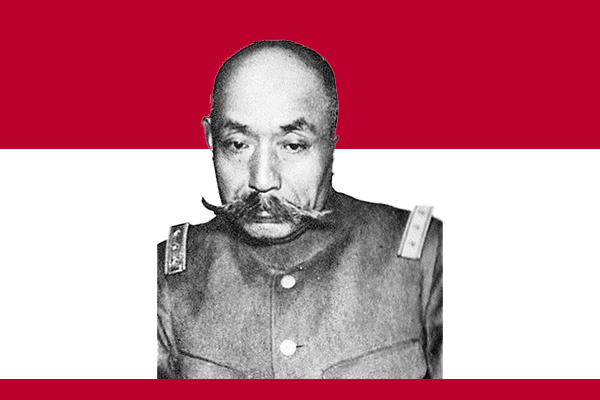
Early Life and Military Career
Senjūrō Hayashi was born on February 23, 1876, in Ishikawa Prefecture, Japan. He grew up in a period when Japan modernized rapidly under the Meiji Restoration. Hayashi chose a military path early in life. He entered the Imperial Japanese Army Academy and graduated with dedication and discipline.
Hayashi served in various military posts and rose through the ranks because of his skills and loyalty. He participated in significant military campaigns and gained practical experience in strategy and leadership. The Japanese government recognized his service, and he earned several promotions throughout his career. Eventually, he reached the rank of general, which reflected his long-term commitment to the military.
Rise to Political Power
After proving his abilities in the military, Hayashi transitioned into politics. The government valued his experience and called upon him for leadership roles. In February 1937, Emperor Hirohito appointed Hayashi as the Prime Minister of Japan. His selection came during a time of political instability, as frequent cabinet changes marked Japanese politics in the 1930s.
Hayashi formed his cabinet and attempted to bring stability to the government. He also served as the Minister of War before becoming prime minister, so he understood Japan’s military and political needs. His leadership connected both the army and the government during a period when military influence in politics continued to grow.
Challenges During Tenure
Hayashi faced numerous political challenges after taking office. Political parties opposed his cabinet and criticized his close ties with the military. The Japanese Diet resisted many of his policies, creating tension between the government and the legislature.
Despite these difficulties, Hayashi tried to maintain order and authority. He introduced measures to strengthen Japan’s position in both domestic and foreign affairs. However, political opposition weakened his administration, and he struggled to gain the full support of the Diet.
One of the main challenges he encountered was Japan’s growing militarism and the increasing pressure from political factions demanding stronger actions in foreign policy. Hayashi attempted to balance these demands with responsible governance, but constant criticism limited his effectiveness as a leader.
Resignation and Later Life
After serving only a few months, Hayashi resigned in June 1937. His short tenure showed how unstable Japanese politics had become at the time. Political parties continued to demand reforms and stronger civilian control, while military leaders pushed for greater power.
Although he left the prime minister’s office, Hayashi remained active in public service. He continued advising the government on military and political matters until his retirement. His career demonstrated loyalty to the nation and dedication to duty despite political setbacks.
Legacy of Senjūrō Hayashi
Senjūrō Hayashi’s term as Prime Minister lasted briefly, but it reflected Japan’s turbulent political era before World War II. Historians view him as a leader who tried to bridge the gap between the military and civilian government.
Hayashi’s career also shows how military leaders influenced Japanese politics during the early 20th century. His life story highlights dedication, discipline, and service to the nation, even during times of political conflict and change.