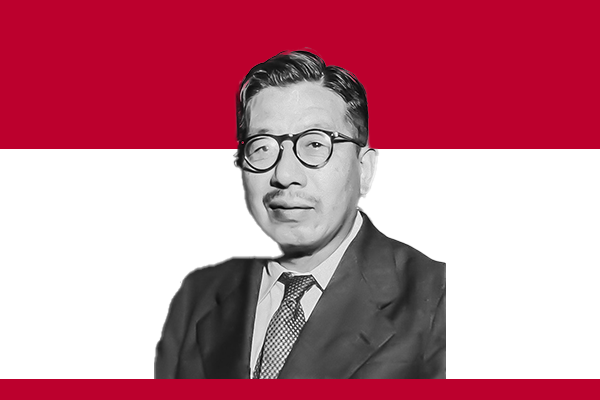
Early Life and Education
Tetsu Katayama was born on July 28, 1887, in Wakayama Prefecture, Japan. He grew up in a modest family that valued education and discipline. He studied law at the prestigious University of Tokyo, where he developed a strong interest in politics and social justice. His academic excellence and leadership qualities earned him recognition among his peers and teachers. Katayama actively engaged in discussions about workers’ rights and democratic reforms, shaping his future political career.
Entry into Politics
Katayama entered politics with a strong commitment to social democracy. He joined the Socialist Party of Japan and advocated workers’ rights, fair wages, and democratic freedoms. His speeches inspired ordinary citizens who wanted a voice in Japan’s changing political landscape. Katayama believed Japan needed a political system that guaranteed equality and justice for all.
During the 1930s and early 1940s, Japan experienced rising militarism. Despite the political pressure, Katayama continued to speak for democratic reforms. His courage and dedication earned him respect from party members and supporters across the nation.
Becoming Prime Minister
After World War II, Japan adopted a new democratic constitution under Allied supervision. In the 1947 general elections, the Socialist Party, led by Katayama, won a significant number of seats. He formed a coalition government with centrist and moderate parties. On May 24, 1947, Katayama became Japan’s first socialist Prime Minister. His appointment marked a historic shift in Japan’s political history as he led the first government formed after the war under the new constitution.
Key Reforms and Policies
As Prime Minister, Katayama introduced reforms that transformed Japan’s political and social systems. He implemented land reforms that redistributed farmland from landlords to tenant farmers, empowering rural communities. He also supported labor laws that protected workers’ rights, improved wages, and ensured better working conditions.
Katayama promoted education reforms to make schooling accessible to all children. He strengthened democratic institutions by guaranteeing freedom of speech, assembly, and the press. His government laid the foundation for Japan’s post-war economic growth by introducing policies that encouraged small industries and agriculture.
Challenges and Resignation
Despite his achievements, Katayama faced challenges within his coalition government. Conflicts among different parties over economic policies and budget allocation weakened his administration. The rising Cold War tensions also influenced Japan’s domestic politics, as conservative forces pushed back against socialist reforms.
In March 1948, Katayama resigned as Prime Minister after less than a year in office. However, his tenure left a lasting legacy as he proved that democratic governance and social reforms could shape Japan’s future.
Legacy
Tetsu Katayama’s leadership symbolized hope and change in post-war Japan. He became a role model for politicians who believed in democracy, equality, and social justice. Historians remember him as the leader who guided Japan through its early democratic transition and inspired future generations to fight for a fair society.