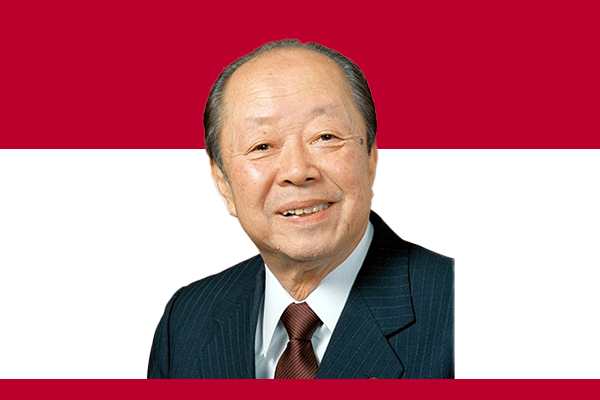
Early Life and Education
Kiichi Miyazawa was born on October 8, 1919, in Hiroshima, Japan. He attended Tokyo Imperial University, where he earned a degree in law. From a young age, Miyazawa showed a keen interest in politics and economics. His education laid a strong foundation for his future political career, shaping his pragmatic approach to policy and governance.
Entry into Politics
Miyazawa entered the political arena in 1947, winning a seat in the House of Representatives as a member of the Liberal Democratic Party (LDP). He quickly earned a reputation as a skilled negotiator and policy strategist. Miyazawa worked on economic planning and fiscal reforms, often influencing major decisions behind the scenes before assuming prominent leadership roles.
Ministerial Roles
Over the decades, Miyazawa held multiple ministerial positions, including Minister of Finance, Minister of International Trade and Industry, and Minister of Education. In each role, he actively pushed for policies aimed at modernizing Japan’s economy and strengthening its international trade relations. His tenure as Finance Minister, in particular, allowed him to implement reforms that stabilized Japan’s economy during challenging periods.
Prime Ministership
Kiichi Miyazawa became Prime Minister of Japan in November 1991, serving until August 1993. During his term, he confronted the aftermath of Japan’s asset price bubble collapse, striving to implement economic recovery measures. Miyazawa actively promoted fiscal discipline, banking reform, and deregulation to rejuvenate the economy. He also represented Japan on the international stage, attending G7 summits and strengthening diplomatic ties with key global partners.
Despite facing political challenges and an increasingly fragmented parliament, Miyazawa remained committed to reform. He navigated coalition politics, ensuring that critical policies could advance even amid opposition pressures. His pragmatic decision-making style earned him respect from colleagues and political analysts alike.
Economic Policies and Achievements
Miyazawa emphasized fiscal responsibility and structural reforms to stabilize the Japanese economy. He introduced banking reforms to address non-performing loans and encouraged private sector-led growth. He also pushed for deregulation in key industries, fostering innovation and competition. While some of his policies faced criticism at the time, many analysts now recognize their long-term benefits in maintaining Japan’s economic stability.
Legacy and Influence
After leaving office, Miyazawa continued to influence Japanese politics as a senior figure within the LDP. His emphasis on economic reform, fiscal discipline, and diplomatic engagement shaped subsequent government policies. He also mentored younger politicians, passing on his pragmatic approach to governance.
Kiichi Miyazawa passed away on June 28, 2007, but his contributions continue to resonate. Political historians and economists frequently cite his tenure as a period of careful navigation through economic and political turbulence, highlighting his commitment to long-term stability over short-term gains.
Conclusion
Prime Minister Kiichi Miyazawa left a lasting imprint on Japan’s political and economic landscape. Through strategic leadership, effective reforms, and international diplomacy, he strengthened Japan’s economy and positioned the nation as a key global player. His pragmatic and disciplined approach remains a benchmark for Japanese statesmanship and serves as an enduring example of dedicated public service.