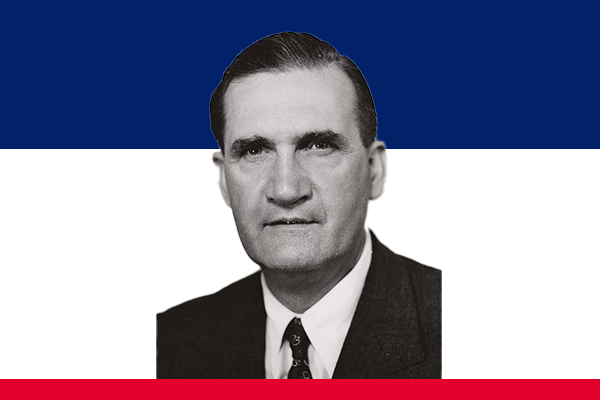
Early Life and Education
John McEwen grew up in rural Victoria, where he developed a deep understanding of agricultural issues. He attended local schools and later pursued farming, which gave him firsthand insight into the challenges faced by farmers. McEwen’s early experiences shaped his political priorities and inspired his lifelong advocacy for regional and rural Australia.
Entry into Politics
McEwen entered politics in 1934 when he was elected to the House of Representatives as a member of the Country Party, representing the constituency of Echuca. He quickly earned a reputation as a persuasive speaker and committed advocate for agricultural policies. McEwen championed initiatives that supported farmers, promoted economic development in rural regions, and strengthened Australia’s agricultural sector.
Leadership in the Country Party
During his political career, McEwen held several key leadership roles within the Country Party. He became the party’s leader in 1958 and guided its strategic direction. Under his leadership, the party consolidated its influence within Australian politics and strengthened its alliance with the Liberal Party. McEwen’s strategic skills and negotiation abilities enabled him to secure significant policy concessions that benefited rural Australians.
Ministerial Achievements
John McEwen served in various ministerial roles, including Minister for Commerce and Agriculture and Minister for Trade. He initiated programs to stabilize farm incomes and protect Australian industries from global market fluctuations. McEwen actively negotiated trade agreements and implemented policies that promoted agricultural exports, strengthening the nation’s economy. His dedication to protecting rural communities earned him widespread respect and solidified his reputation as a pragmatic and effective leader.
Prime Ministership and Legacy
After the sudden death of Prime Minister Harold Holt in December 1967, McEwen assumed the role of interim Prime Minister. During his brief tenure, he maintained government stability and oversaw key economic policies. McEwen played a critical role in influencing the selection of his successor, ensuring a smooth transition of power. Although his time as Prime Minister lasted only 22 days, he demonstrated decisive leadership and political acumen that left a lasting mark on Australian governance.
Commitment to Rural Australia
Throughout his political career, McEwen remained deeply committed to rural communities. He implemented policies that supported agricultural development, protected farmers’ incomes, and encouraged regional growth. His advocacy extended beyond economics; he promoted education and infrastructure development in rural areas, helping to reduce disparities between urban and regional Australia.
Conclusion
John McEwen’s contributions to Australian politics and rural development remain significant. He shaped the Country Party’s identity, influenced national economic policy, and provided steady leadership during a critical period. McEwen’s legacy as a champion of farmers and rural communities continues to inspire politicians and citizens alike. His dedication to public service and his pragmatic approach to governance secure his place in Australian history as one of the nation’s most influential leaders.