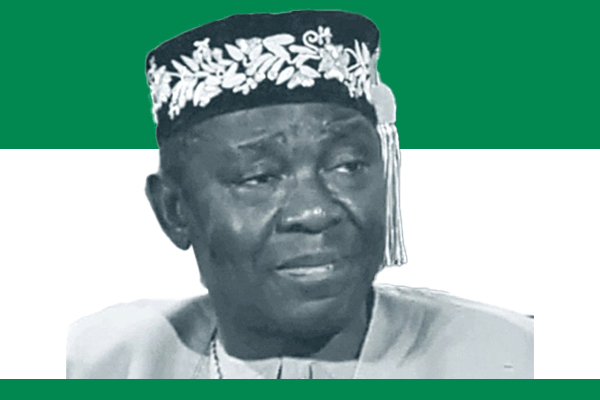
Early Life and Education
Nnamdi Azikiwe was born on November 16, 1904, in Zungeru, Northern Nigeria. His father, Obed-Edom Chukwuemeka Azikiwe, worked as a clerk in the colonial government, and his mother, Rachel Ogbenyeanu Azikiwe, inspired him with strong moral and cultural values. Azikiwe attended Hope Waddell Training Institute and Methodist Boys High School, where he showed an early interest in journalism and politics. Seeking higher education, he traveled to the United States in 1925, studying at Howard University and Lincoln University. He later earned master’s degrees from the University of Pennsylvania, focusing on political science and anthropology.
Rise to Prominence in Journalism
After completing his studies, Azikiwe returned to Nigeria in 1934, determined to fight colonial oppression through education and media. He founded the West African Pilot newspaper in 1937, which became a powerful voice for Nigerian nationalism. Through his editorials, he encouraged Nigerians to embrace unity and self-determination. He used the press as a tool to challenge British colonial rule and promote African pride. His fearless writings inspired a new generation of political leaders and activists who demanded independence.
Political Career and the Road to Independence
Azikiwe entered active politics in the 1940s by joining the Nigerian Youth Movement and later co-founding the National Council of Nigeria and the Cameroons (NCNC) in 1944. As a leader of the NCNC, he traveled across Nigeria, urging citizens to reject colonial domination. His speeches motivated millions and strengthened the call for self-rule. Azikiwe served as the premier of Eastern Nigeria from 1954 to 1959, using his position to promote education, economic development, and regional unity.
When Nigeria gained independence on October 1, 1960, Azikiwe became the country’s first Governor-General. In 1963, after Nigeria became a republic, he assumed office as the nation’s first President. As President, he worked to preserve national unity and maintain peace among the diverse ethnic groups. He collaborated with Prime Minister Abubakar Tafawa Balewa to strengthen democratic governance and foreign relations.
Contributions and Legacy
Azikiwe’s leadership transformed Nigeria’s political landscape. He encouraged Nigerians to value democracy, education, and progress. He emphasized Pan-Africanism, believing that African nations should unite against imperialism and work together for development. His policies promoted economic growth and cultural revival. Even after the 1966 military coup that ended his presidency, Azikiwe remained committed to peace and national reconciliation.
Throughout his life, he received numerous awards and honorary degrees from universities around the world. Nigerians fondly called him “Zik of Africa” for his dedication to the continent’s freedom and unity.
Later Years and Death
After leaving politics, Azikiwe focused on writing and public service. He authored books and essays that reflected his deep understanding of political philosophy and African identity. He continued to advocate for unity and democracy until his death on May 11, 1996. His burial in Onitsha drew national and international recognition, marking the end of an era for one of Africa’s greatest statesmen.
Conclusion
President Nnamdi Azikiwe remains a symbol of courage, intellect, and patriotism. He dedicated his life to securing Nigeria’s independence and shaping its democratic identity. His vision for a united and prosperous Africa continues to inspire leaders and citizens alike. Through his writings, politics, and principles, Azikiwe established himself as one of the most influential figures in Nigerian and African history.