Early Life and Military Career
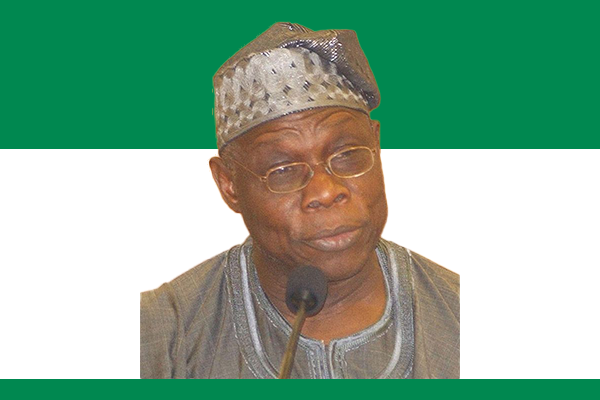
Olusegun Obasanjo was born on March 5, 1937, in Abeokuta, Ogun State. He pursued his education at Baptist Boys High School, where he showed discipline and determination from an early age. Obasanjo joined the Nigerian Army, quickly rising through the ranks because of his leadership skills, strategic thinking, and commitment to service. His military background laid the foundation for his influential political career.
Political Rise and Vice Presidency
Obasanjo actively engaged in Nigeria’s political scene, ultimately serving as Vice President during a critical period. He collaborated closely with the President to implement policies that strengthened the country’s economy, education system, and healthcare services. Obasanjo’s hands-on approach ensured that government programs addressed both urban and rural challenges effectively.
Economic and Agricultural Initiatives
During his vice presidency, Obasanjo launched programs to boost economic growth and empower local communities. He promoted agricultural development by providing farmers with resources, training, and access to markets. Obasanjo emphasized sustainable development, balancing economic growth with environmental protection. His initiatives in trade and commerce improved Nigeria’s domestic and international economic relations.
Education and Social Development
Obasanjo prioritized education reforms, expanding access to primary and secondary schools and enhancing teacher training programs. He modernized curricula to equip young Nigerians with the skills needed for national development. Obasanjo also championed healthcare initiatives, ensuring communities received better medical services and resources to improve public health.
Governance, Transparency, and Anti-Corruption
Obasanjo actively promoted good governance, transparency, and accountability in public institutions. He supported anti-corruption measures, streamlined bureaucratic processes, and encouraged public officials to serve ethically. His leadership inspired confidence in government programs and fostered civic responsibility among citizens.
National Security and Crisis Management
Obasanjo played a key role in maintaining national security and stability. He mediated conflicts, strengthened security forces, and oversaw intelligence operations to protect citizens. His proactive measures ensured that Nigeria navigated political and social challenges with resilience, minimizing potential crises during turbulent times.
International Diplomacy
Obasanjo represented Nigeria in international forums, negotiating trade agreements and building diplomatic ties with other nations. He actively promoted Nigeria’s interests abroad, enhancing the country’s global reputation and fostering cooperation with key international partners.
Legacy and Influence
Throughout his vice presidency, Obasanjo maintained integrity, dedication, and a strong commitment to national development. He inspired emerging leaders to embrace civic engagement, ethical governance, and public service. Obasanjo’s vision and actions left a lasting imprint on Nigeria’s political and social landscape, influencing policies and leadership for generations.
Conclusion
Vice President Olusegun Obasanjo significantly shaped Nigeria’s political, economic, and social development. He actively implemented reforms, strengthened governance, and promoted education, agriculture, and national security. Obasanjo’s legacy continues to inspire Nigerians, demonstrating the enduring impact of visionary leadership and committed public service.