Early Life and Education
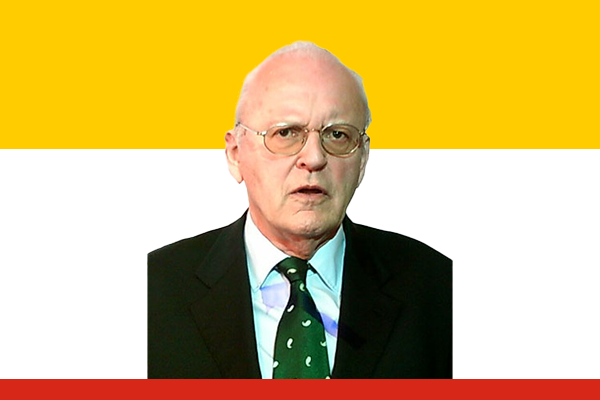
Roman Herzog was born on April 5, 1934, in Landshut, Bavaria. He grew up during World War II and witnessed the challenges of Germany’s post-war reconstruction. He studied law and political science at the University of Munich and the University of Tübingen, where he earned his doctorate in law. His academic excellence and interest in constitutional affairs shaped his lifelong dedication to the rule of law and democratic governance.
Academic and Judicial Career
Herzog began his professional career as a lecturer and later became a professor of law. He taught at several universities, including the Free University of Berlin and the University of Speyer. His expertise in constitutional and administrative law earned him wide respect in academic and political circles.
In 1983, Herzog joined the Federal Constitutional Court of Germany as a judge, and in 1987, he became its President. In this position, he influenced major rulings on constitutional rights, federalism, and democratic principles. He used his judicial role to strengthen the authority of the German constitution and protect individual freedoms.
Political Rise and Election as President
Herzog’s deep understanding of constitutional law and his balanced, moderate approach made him a respected figure in politics. The Christian Democratic Union (CDU) nominated him for the presidency after Richard von Weizsäcker’s term ended.
In 1994, the Federal Convention elected Roman Herzog as the President of Germany. His election came at a crucial time when Germany was adapting to the realities of reunification and redefining its role in Europe. Herzog’s legal background and moral clarity made him a stabilizing force in a rapidly changing nation.
Presidency (1994–1999)
As President, Herzog focused on social renewal, democracy, and modernization. He encouraged Germans to embrace reforms in education, economy, and public life. His famous 1997 speech, known as the “Ruck-Rede” (Jolt Speech), called for a “jolt” to move through society—a moral and mental awakening to overcome stagnation.
Herzog inspired citizens to take responsibility, act with courage, and adapt to global challenges. He emphasized civic duty, integration, and compassion, addressing issues like unemployment and cultural diversity. His calm leadership and intellectual approach helped bridge divides between East and West Germany.
Contributions to European Unity
Roman Herzog believed in a strong and united Europe. He supported European integration, democratic cooperation, and human rights. His presidency coincided with important developments in the European Union, including the introduction of the euro and expansion of EU membership. Herzog advocated for Germany to play a constructive and responsible role in European and international affairs.
Later Life and Legacy
After leaving office in 1999, Herzog continued to contribute to public debate and legal scholarship. He remained active in civic initiatives and advisory roles, offering insights into constitutional and ethical issues. He received numerous honors for his service to law and democracy. Roman Herzog passed away on January 10, 2017, leaving behind a legacy of integrity, intellect, and moral courage.
Conclusion
Roman Herzog’s presidency symbolized wisdom, reform, and national renewal. He guided Germany with strength and vision during a period of transformation, encouraging citizens to embrace change while preserving democratic values. His leadership combined intellect with compassion, making him one of Germany’s most respected modern presidents. His words and actions continue to inspire a sense of responsibility and unity in German society.