Early Life and Education
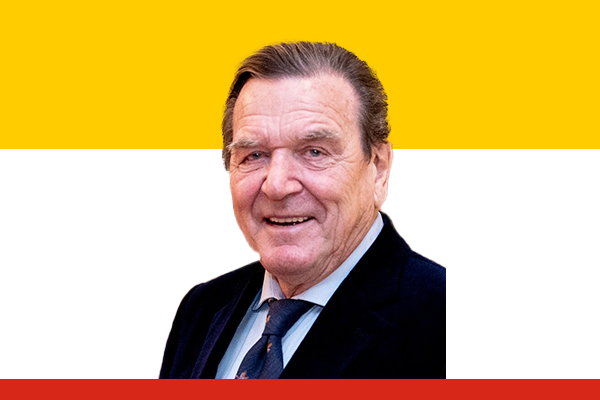
Gerhard Schröder was born on April 7, 1944, in Mossenberg, Germany. He grew up in Lower Saxony and pursued legal studies at the University of Göttingen. Schröder graduated with a law degree and began his career as a lawyer. Early on, he joined the Social Democratic Party of Germany (SPD) and became active in local politics, showing a commitment to social democracy and progressive reforms.
Rise in Politics
Schröder advanced quickly within the SPD. He became the Prime Minister of Lower Saxony in 1990, a position he held until 1998. During his tenure, he implemented economic policies focused on job creation, public sector efficiency, and education reform. He built a reputation as a pragmatic and decisive leader, which helped him gain national recognition.
Election as Chancellor
In 1998, Schröder led the SPD to victory in the federal elections. He campaigned on a platform of modernization, economic reform, and reducing unemployment. Once elected, he formed a coalition government with the Green Party and prioritized revitalizing Germany’s economy while maintaining social welfare programs.
Economic and Social Reforms
Schröder launched the Agenda 2010 reforms, which aimed to modernize Germany’s labor market, reduce unemployment, and strengthen the economy. He cut unemployment benefits, restructured welfare programs, and encouraged private-sector employment. While controversial, these reforms helped stabilize the German economy and laid the groundwork for future growth.
Foreign Policy
Schröder emphasized strong European integration and maintained a pragmatic foreign policy. He opposed the U.S.-led invasion of Iraq in 2003, positioning Germany as a vocal advocate for diplomacy and multilateral solutions. Schröder also fostered closer relations with Russia and other European nations, focusing on trade, energy, and security partnerships.
Leadership Style
Gerhard Schröder combined charisma with a hands-on approach to governance. He actively engaged with both business leaders and trade unions, balancing economic growth with social protections. His direct communication style made him popular among voters and effective in coalition negotiations.
Challenges and Criticism
Schröder faced criticism for his labor reforms and welfare cuts, with some accusing him of weakening social safety nets. His post-chancellorship work with Russian energy companies, particularly Gazprom, also drew controversy and public scrutiny. Nevertheless, many analysts recognize his strategic vision in modernizing Germany’s economy and shaping its role on the international stage.
Legacy
Schröder left office in 2005, succeeded by Angela Merkel. He remains a significant figure in German politics, remembered for economic modernization, pragmatic governance, and assertive foreign policy. His reforms reshaped Germany’s labor market and strengthened its position within the European Union.
Conclusion
Gerhard Schröder transformed Germany through decisive economic and social reforms while maintaining Germany’s global influence. His pragmatic leadership style, focus on modernization, and diplomatic strategies left a lasting impact on German politics and European policy.