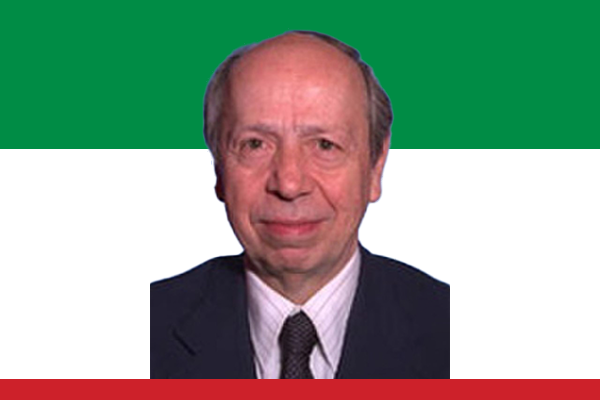
Prime Minister Lamberto Dini: Technocrat Leadership in Italy
Lamberto Dini, an influential Italian economist and politician, actively shaped Italy’s economic and political policies during the 1990s. Born on March 1, 1931, in Florence, Dini built a reputation as a skilled technocrat before entering high-level politics. Throughout his career, he actively focused on economic stability, governmental reform, and Italy’s role within Europe.
Early Career and Technocratic Expertise
Dini began his professional journey as an economist, actively contributing to Italy’s banking and financial sectors. He held key positions at the Bank of Italy and international financial organizations, where he actively applied his economic expertise to policy planning and implementation. His technical knowledge and pragmatic approach attracted attention from political leaders seeking economic reform and stability.
Entry into Politics
In 1994, during a period of political upheaval in Italy, Dini actively entered government as Minister of Treasury. He actively implemented financial policies that stabilized the Italian economy, controlled inflation, and improved public finances. His reputation as a competent technocrat grew, and he actively earned respect across party lines for his methodical and analytical approach to governance.
Prime Minister of Italy
Lamberto Dini became Prime Minister in January 1995, leading a technical government during a period of political transition. He actively managed a coalition composed of multiple parties, prioritizing economic reforms and institutional stability. Dini actively addressed Italy’s financial challenges, implementing measures that promoted fiscal discipline, streamlined public administration, and encouraged investment.
He actively guided Italy through structural reforms, including pension system adjustments and public sector efficiency programs. Dini actively worked with labor unions, business leaders, and political parties to build consensus on critical reforms. His leadership emphasized practical solutions over political ideology, positioning him as a neutral figure capable of uniting diverse political interests.
Foreign Policy and European Engagement
Dini actively represented Italy on the international stage, strengthening relationships with European partners and global institutions. He actively participated in European Union discussions, advocating for policies that enhanced Italy’s economic integration and competitiveness within Europe. His government actively promoted Italy’s role in the Maastricht Treaty implementation, ensuring compliance with EU fiscal requirements.
Legacy and Continued Influence
Even after leaving office in May 1996, Dini actively influenced Italian politics and economic discussions. He continued to serve as a senator and engaged in policy debates, focusing on economic reform, European integration, and public administration efficiency. Analysts and historians actively study Dini’s tenure as an example of technocratic leadership successfully navigating political instability while advancing structural reforms.
Dini’s pragmatic approach, technical expertise, and commitment to reform left a lasting mark on Italian governance. He actively demonstrated that non-partisan, skill-based leadership could guide a country through complex economic and political challenges.
Lamberto Dini’s career highlights the impact of technocratic leadership in modern Italian politics. From his early contributions in economics to his tenure as Prime Minister, he actively shaped Italy’s economic policies, promoted institutional reforms, and strengthened the country’s role in Europe. His legacy remains an enduring example of effective, pragmatic governance.