Mr. Abdul Halim
In Office: 21 January 1950 – 6 September 1950
Political Party: Independent
Home State: Bukittinggi
Lifespan: 1911–1987
Country: Indonesia
Image credits available here.
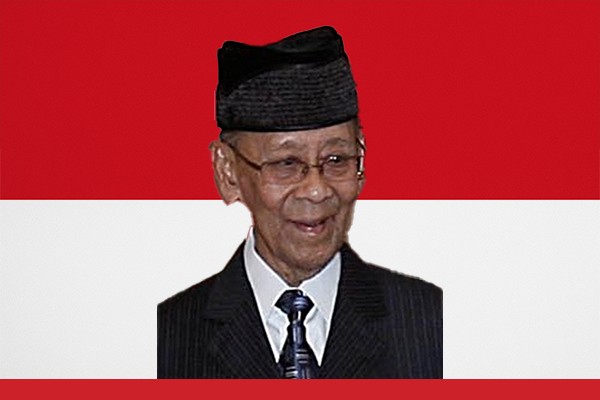
Early Life and Education
Abdul Halim was born into a family that valued education, discipline, and service. His parents encouraged him to pursue learning as a tool for personal and national development. He attended local schools and displayed exceptional academic ability. Later, he studied political science and public administration at a leading university, where he developed a strong interest in governance and social reform. His educational background laid the foundation for his later achievements in public life.
Entry into Public Service
Abdul Halim began his career as a civil servant, where he demonstrated efficiency, fairness, and a deep understanding of administrative processes. He worked tirelessly to improve government transparency and service delivery. His dedication earned him respect among his peers and recognition from higher authorities. His ability to manage complex issues and unite people around common goals helped him rise quickly through the political ranks.
Rise in Politics
Driven by a sense of duty and patriotism, Abdul Halim entered active politics to make a greater impact. He joined a reform-oriented political party that emphasized economic growth, education, and social harmony. As a member of parliament, he introduced policies that supported rural development and youth empowerment. His clear vision and articulate communication helped him connect with citizens across regions. People admired his honesty, compassion, and problem-solving approach.
Appointment as Prime Minister
Abdul Halim became Prime Minister during a challenging period in his nation’s history. The country faced economic uncertainty, political division, and social unrest. He accepted the responsibility with humility and determination. Upon taking office, he promised to promote stability, economic recovery, and national unity. His leadership style combined firmness with empathy, allowing him to handle crises effectively while maintaining public trust.
Economic and Social Reforms
As Prime Minister, Abdul Halim introduced significant reforms to strengthen the national economy. He encouraged local industries, promoted foreign investment, and supported small and medium enterprises. His government prioritized job creation and poverty reduction. He launched education reforms that improved access to quality schooling, especially in rural areas. He also invested in healthcare, recognizing its importance for a productive society. Under his leadership, infrastructure projects such as roads, bridges, and energy systems expanded rapidly, creating opportunities for economic growth.
Commitment to Democracy and Good Governance
Abdul Halim consistently promoted democratic values and good governance. He strengthened institutions that ensured accountability and transparency. He supported free media and encouraged dialogue between the government and civil society. He believed that democracy could only succeed when citizens participated actively and responsibly. His fair and balanced leadership earned him a reputation as a unifying figure.
Foreign Policy and International Relations
On the international stage, Abdul Halim worked to enhance his country’s global reputation. He established strong diplomatic relations with neighboring nations and key global partners. He promoted regional cooperation in trade, security, and environmental protection. His foreign policy reflected a commitment to peace, mutual respect, and sustainable development. World leaders admired his diplomatic skills and ability to represent his nation with dignity.
Challenges and Resilience
Throughout his tenure, Abdul Halim faced challenges such as economic fluctuations, natural disasters, and political opposition. Despite these difficulties, he remained calm and resolute. He engaged with the public directly to explain government actions and reassure citizens. His transparent communication and decisive leadership helped him maintain stability during uncertain times.
Legacy and Impact
Prime Minister Abdul Halim left a lasting legacy as a leader who combined intelligence, compassion, and courage. His reforms improved the quality of life for millions and modernized national institutions. He inspired a generation of young leaders to pursue politics with honesty and vision. His tenure demonstrated that true leadership rests on service, integrity, and commitment to the public good.