Mr. Niceto Alcalá-Zamora
In Office: 14 April 1931 – 14 October 1931
Political Party: Liberal Republican Right
Home State: Priego de Córdoba
Lifespan: 1877–1949
Country: Spain
Image credits available here.
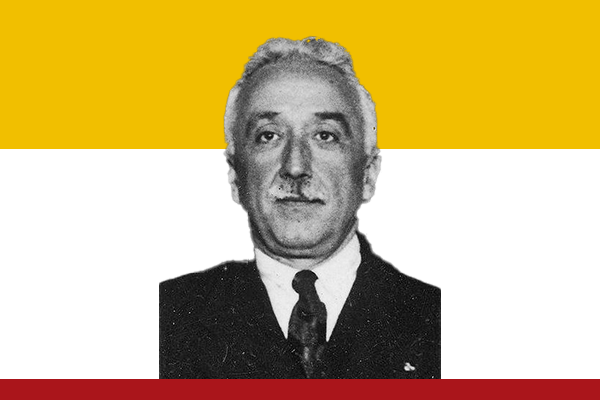
Early Life and Education
Niceto Alcalá-Zamora was born on July 6, 1877, in Priego de Córdoba, Spain. He grew up in an educated family that valued learning and civic responsibility. From an early age, he displayed exceptional intelligence and a deep interest in law and politics. He pursued legal studies at the University of Granada, where he graduated with distinction. His education shaped his rational thinking and strengthened his belief in constitutionalism and justice.
Political Rise and Early Career
Alcalá-Zamora began his political career as a member of the Liberal Party during Spain’s Restoration period. He quickly gained recognition for his eloquence, honesty, and ability to mediate political differences. As a young lawyer, he worked tirelessly to defend civil liberties and political freedoms. He served as a Deputy in the Spanish Cortes, where he actively participated in debates concerning social reforms and the modernization of Spain’s legal institutions.
When King Alfonso XIII appointed him Minister of Public Works, Alcalá-Zamora used the position to improve Spain’s infrastructure. He initiated major public projects that expanded roads, railways, and bridges. His practical approach to governance earned him respect from both his peers and the public.
Leadership During the Second Republic
Spain faced growing unrest in the late 1920s as people demanded an end to dictatorship and monarchy. Alcalá-Zamora played a key role in the movement that led to the establishment of the Second Spanish Republic in 1931. As Prime Minister, he guided the nation through its transitional phase with determination and diplomacy.
He helped draft the provisional constitution and took decisive steps to create a democratic framework for Spain. He promoted civil rights, secular education, and agrarian reforms aimed at improving the lives of rural workers. His administration reduced the influence of the monarchy and the Church in political affairs, laying the foundation for a modern democratic state.
Commitment to Democratic Governance
Alcalá-Zamora firmly believed that democracy could succeed only through moderation and dialogue. He resisted extremist influences from both the right and left. By promoting compromise, he sought to unite Spaniards under a shared vision of progress and equality. When political tensions rose, he used his authority to calm disputes and uphold the rule of law.
His commitment to fair governance became evident when he later assumed the presidency of the Republic. As President, he continued to defend democratic institutions and constitutional order. Even when faced with political opposition and criticism, he maintained his principles of justice, tolerance, and civic duty.
Challenges and Legacy
Despite his efforts, Alcalá-Zamora faced increasing political division in Spain. Conflicts between conservatives, liberals, and socialists weakened the Republic. In 1936, the Cortes voted to remove him from the presidency, marking a difficult end to his political career.
He went into exile after the Spanish Civil War erupted and lived in France and later Argentina. Yet, his influence on Spain’s democratic tradition endured. Historians regard him as a key figure who sought to guide Spain toward constitutional reform, social progress, and national unity.
Conclusion
Niceto Alcalá-Zamora’s leadership combined intelligence, integrity, and a deep sense of public duty. As Prime Minister and later as President, he actively worked to establish democracy and protect civil rights during one of Spain’s most transformative periods. His vision of a just and progressive Spain continues to inspire generations who value democracy and the rule of law. Through his unwavering dedication, Alcalá-Zamora helped lay the foundation for modern Spanish democracy.