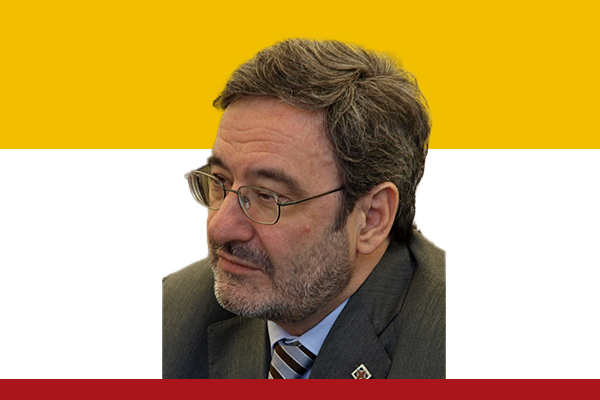
Early Life and Academic Pursuits
Narcís Serra was born on May 30, 1943, in Barcelona, Spain. He pursued higher education at the University of Barcelona, where he earned a degree in economics. His early academic interests centered on political economy and public policy, which later shaped his understanding of Spain’s governance challenges. Serra actively participated in university debates and political discussions, developing a strong sense of civic responsibility during the final years of Francisco Franco’s dictatorship.
Entry into Politics
Serra began his political journey as a member of the Socialist Party of Catalonia (PSC), aligning his vision with democratic and progressive values. When Spain transitioned toward democracy in the late 1970s, he took an active role in shaping local governance. In 1979, citizens of Barcelona elected him as their mayor, marking the beginning of his influential political career. As mayor, Serra revitalized the city by modernizing urban infrastructure and promoting cultural development. He also encouraged civic participation and transparency, which strengthened public trust in democratic institutions.
Tenure as Mayor of Barcelona
During his tenure from 1979 to 1982, Serra implemented innovative urban policies that improved housing, transportation, and sanitation services. He encouraged collaboration between government and local communities, ensuring that citizens actively contributed to decision-making processes. Serra’s initiatives turned Barcelona into a model of effective municipal governance. His efforts helped the city prepare for future international recognition, including its eventual role as host of the 1992 Olympic Games.
Deputy Prime Minister and Minister of Defense
In 1982, Prime Minister Felipe González appointed Narcís Serra as Spain’s Minister of Defense. Serra immediately took action to modernize the Spanish Armed Forces, aiming to align them with democratic principles. He actively promoted transparency, civilian control, and professionalism within the military. By introducing reforms, he reduced political influence in military affairs and emphasized respect for constitutional authority. His leadership strengthened Spain’s defense policy and improved the country’s international reputation within NATO and the European community.
In 1991, Serra assumed the position of Deputy Prime Minister, where he oversaw national policy coordination and administrative modernization. He encouraged cooperation among ministries, supported social welfare programs, and advanced technological development. Serra’s dynamic approach promoted efficiency and accountability in public administration. Under his leadership, Spain continued to integrate with the European Union and pursue sustainable economic growth.
Contribution to Democratic Stability
Narcís Serra actively defended democratic institutions and human rights throughout his career. He worked to consolidate Spain’s democracy after decades of authoritarian rule. Through his defense reforms and administrative leadership, Serra ensured that public institutions functioned under civilian authority. His policies promoted social inclusion, civic responsibility, and transparency—key pillars of a stable democracy.
Later Years and Legacy
After leaving active politics, Serra continued to contribute to public life as an academic and policy expert. He joined research institutions and think tanks to share his insights on defense, governance, and democratic development. Serra wrote extensively about public administration and European integration, influencing future generations of policymakers.
His legacy endures through his reformist vision and commitment to democratic values. By strengthening Spain’s defense system, enhancing urban governance, and promoting social cohesion, Narcís Serra established himself as one of the key architects of Spain’s modern political system.
Conclusion
Deputy Prime Minister Narcís Serra’s leadership combined intellectual rigor, democratic conviction, and practical governance. Through his active role in transforming Spain’s defense, urban policies, and administrative systems, he helped guide the country toward stability and progress. His career stands as a testament to how visionary political action can shape a nation’s democratic future.