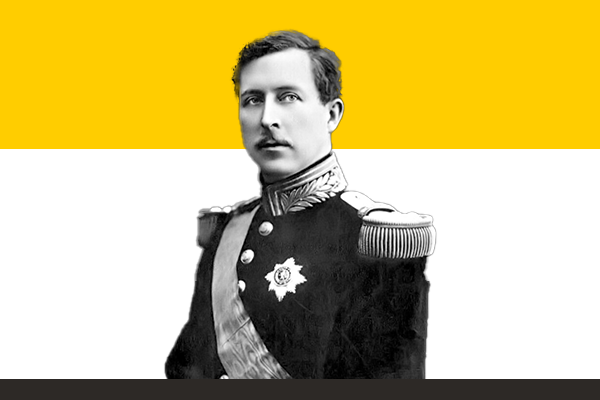
Early Life and Education
King Albert I was born on April 8, 1875, in Brussels into the royal family of Belgium. His parents, Prince Philippe, Count of Flanders, and Princess Marie of Hohenzollern-Sigmaringen, raised him with a strong sense of discipline and responsibility. As a young prince, Albert pursued studies in science, law, and military affairs. He displayed an early interest in technology and engineering, especially in improving social conditions through modern infrastructure. His tutors encouraged him to combine intellectual growth with practical experience, shaping his deep concern for the welfare of his people.
Rise to the Throne
Albert became King of the Belgians on December 23, 1909, after the death of his uncle, King Leopold II. Upon ascending the throne, he promised to rule with fairness and to protect the rights of his citizens. He immediately focused on national unity and modernization. He strengthened the Belgian army, promoted industrial development, and supported social reforms that improved workers’ conditions. Albert personally visited factories and military institutions to understand the realities faced by ordinary Belgians. His practical approach and humility earned him the admiration of his people.
Leadership During World War I
When Germany invaded Belgium in August 1914, Albert I took direct command of the Belgian Army. He refused to surrender his nation’s neutrality and led his troops with remarkable courage. Instead of ruling from safety, he chose to remain on the front lines with his soldiers. He coordinated military strategies, boosted morale, and inspired resistance against overwhelming odds. The Belgian defense at the Yser River became a defining moment in his reign. King Albert’s bravery turned him into a national hero and a respected figure across Europe.
Queen Elisabeth, his wife, joined him near the front lines to provide medical support and comfort to wounded soldiers. Together, they symbolized unity, courage, and compassion during one of Belgium’s darkest times. The King also worked closely with Allied leaders to secure military aid and to protect Belgian sovereignty. His leadership preserved the independence of Belgium and maintained its moral standing in the eyes of the world.
Post-War Reconstruction and Reforms
After World War I ended in 1918, King Albert returned to Brussels with his army to rebuild the nation. He prioritized social justice, democratic reforms, and economic recovery. He supported the introduction of universal male suffrage and encouraged national reconciliation. Albert emphasized education, infrastructure, and industry as pillars of modernization. He guided Belgium into a new era of progress while maintaining a deep commitment to humanitarian values.
King Albert’s vision for post-war Belgium focused on unity and renewal. He personally visited devastated towns, supported rebuilding efforts, and motivated citizens to work together for peace and prosperity. His humble and approachable nature strengthened the bond between the monarchy and the people.
Personal Life and Tragic Death
King Albert’s family life reflected simplicity and dedication. He and Queen Elisabeth raised three children — Leopold, Charles, and Marie-José — with strong moral and civic values. Despite his royal status, Albert led an active and modest lifestyle. He enjoyed mountain climbing and outdoor adventures, which expressed his love for nature and physical challenges.
On February 17, 1934, tragedy struck when King Albert I died in a climbing accident at Marche-les-Dames. His sudden death shocked the nation and left a profound sense of loss. Belgians mourned the passing of a king who had served them with integrity and devotion.
Legacy of King Albert I
King Albert I remains one of Belgium’s most beloved monarchs. His courage in war, compassion in peace, and moral integrity set a lasting example of leadership. He transformed the Belgian monarchy into a symbol of unity and national pride. Even decades after his death, Belgians remember him as the “Knight King,” a ruler who stood with his people in their most difficult times. His reign continues to inspire leadership founded on duty, courage, and humanity.