Early Life and Education
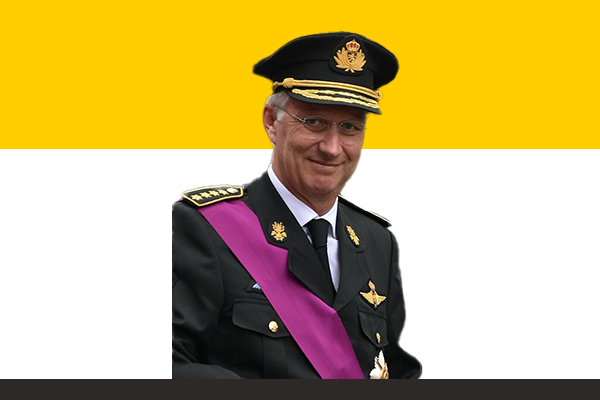
King Philippe of Belgium was born on April 15, 1960, in Brussels, as the eldest son of King Albert II and Queen Paola. He grew up in a royal environment that valued service, integrity, and education. From a young age, Philippe demonstrated curiosity and discipline. He attended primary and secondary schools in Belgium before pursuing higher studies abroad. He studied at the Belgian Royal Military Academy, where he trained in leadership, defense, and strategy. Later, he attended Trinity College, Oxford, and Stanford University, earning a master’s degree in political science. Through his studies, Philippe built a strong foundation in international affairs and public administration.
Rise to the Throne
Philippe assumed an active role in public service long before becoming king. His father, King Albert II, entrusted him with important responsibilities to prepare him for future leadership. In 1993, Philippe represented Belgium at global events and worked to strengthen diplomatic relations. When King Albert II abdicated on July 21, 2013, Philippe immediately took the oath as the seventh King of the Belgians. He accepted the role with humility and determination, pledging to uphold national unity and constitutional values.
Leadership and Constitutional Role
As a constitutional monarch, King Philippe actively fulfills his duties within Belgium’s parliamentary democracy. He meets regularly with the Prime Minister, government officials, and party leaders to encourage cooperation and stability. When Belgium faces political challenges, Philippe mediates discussions and helps maintain balance between linguistic communities. He uses his influence to promote understanding among the Dutch-speaking, French-speaking, and German-speaking regions. Through these efforts, he strengthens Belgium’s unity and identity.
Diplomatic Engagements and International Relations
King Philippe plays an essential role in representing Belgium on the global stage. He leads trade missions abroad and promotes Belgian industries, technology, and culture. His visits to foreign nations open doors for economic partnerships and educational exchanges. Philippe meets world leaders, supports multilateral cooperation, and advocates for peace and sustainable development. By encouraging investment and innovation, he helps Belgium remain competitive in a globalized world.
Commitment to Social Causes
King Philippe actively supports social, cultural, and environmental initiatives. He engages with youth organizations, non-profits, and research institutions that work to build a better society. He listens to citizens’ concerns and encourages young people to participate in civic life. Philippe also advocates for mental health awareness, environmental protection, and digital education. His dedication to these causes reflects his vision of a compassionate and forward-looking monarchy.
Family and Personal Life
King Philippe and Queen Mathilde form a strong and modern royal couple. They married in 1999 and have four children: Princess Elisabeth, Prince Gabriel, Prince Emmanuel, and Princess Eléonore. Philippe and Mathilde raise their children with values of service, empathy, and responsibility. Princess Elisabeth, the Duchess of Brabant, stands as the heir apparent and symbolizes continuity in Belgium’s constitutional monarchy. The royal family maintains a close connection with citizens by attending national ceremonies and cultural events across the country.
Legacy and Vision for the Future
King Philippe continues to guide Belgium through complex social and political changes. He promotes dialogue, inclusion, and sustainability as essential principles of national progress. Under his reign, the monarchy remains relevant and respected, blending tradition with modern values. Philippe’s leadership emphasizes action, compassion, and unity—qualities that make him not only a symbol of the Belgian state but also a moral anchor for the people.
King Philippe’s reign reflects a deep commitment to public service and national harmony. By engaging directly with citizens and international partners, he turns the Belgian monarchy into an active force for stability, development, and understanding in the modern world.