Mr. Léon Delacroix
In Office: 21 November 1918 – 20 November 1920
Political Party: Catholic Party
Home State: Saint-Josse-ten-Noode
Lifespan: 1867–1929
Country: Belgium
Image credits available here.
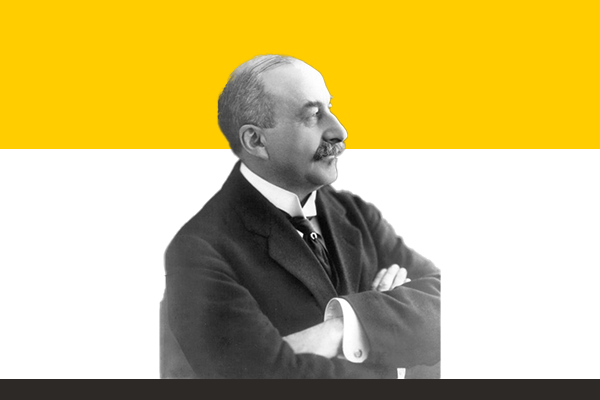
Early Life and Legal Foundation
Léon Delacroix was born in 1867 in Saint-Josse-ten-Noode, Belgium. He pursued law at the Catholic University of Leuven and quickly built a reputation as a sharp legal mind. As a practicing lawyer, he earned respect for his skill in interpreting complex cases and advocating justice. His dedication and intellect led him to the position of President of the Court of Cassation, Belgium’s highest judicial authority. Through his legal career, Delacroix gained deep insight into the constitutional and administrative workings of his country, preparing him for a later role in national leadership.
Transition to Political Leadership
After World War I, Belgium faced immense challenges—economic devastation, political disarray, and social unrest. In this crucial moment, King Albert I appointed Léon Delacroix as Prime Minister in 1918. Delacroix accepted the challenge with determination to rebuild Belgium’s economy and restore faith in democratic governance. He also served as Minister of Finance, enabling him to directly steer the nation’s economic recovery. His leadership symbolized integrity and discipline, as he prioritized the nation’s welfare over partisan interests.
Economic and Social Reforms
Delacroix implemented decisive policies to stabilize Belgium’s finances. He restructured war debts, reformed taxation, and encouraged investment in industries destroyed by the war. His government focused on rebuilding infrastructure—railways, factories, and public services—to revive employment and productivity.
Beyond economics, Delacroix promoted significant social change. Under his administration, Belgium introduced universal male suffrage, a milestone in democratic representation. He understood that rebuilding a nation required empowering its citizens, so he championed social justice and equal political participation. His reforms strengthened Belgium’s democratic foundation and gave citizens a renewed sense of belonging in national decision-making.
Leadership During Reconstruction
As Prime Minister, Delacroix guided Belgium’s transition from wartime hardship to peace and progress. He coordinated with Allied powers to ensure Belgium received fair reparations from Germany for wartime damages. He managed diplomatic relations with prudence, balancing national interests with international cooperation.
Delacroix also restored government stability after years of uncertainty. His calm demeanor, judicial fairness, and sense of duty helped unify political factions. He encouraged collaboration between Catholics and Liberals, bridging ideological divides for the sake of national recovery. His cabinet emphasized accountability and transparency, values he had cultivated from his judicial background.
Later Life and Legacy
After leaving office in 1920, Delacroix remained a respected figure in Belgian politics and law. He continued to influence public affairs through advisory roles and legal writings. His commitment to moral governance and national service became a model for future leaders.
Léon Delacroix died in 1929, leaving behind a legacy of justice, resilience, and unity. Belgians remembered him as the Prime Minister who rebuilt the nation with wisdom and fairness after one of its darkest chapters. His leadership not only revived Belgium’s economy but also strengthened its democracy and moral fiber.
Conclusion
Prime Minister Léon Delacroix led Belgium through a transformative period marked by reconstruction, reform, and renewal. His background as a jurist guided his governance with balance and integrity. By introducing democratic reforms and rebuilding national stability, he restored confidence in Belgium’s institutions. His vision for a just and prosperous society continues to define his place in history as one of Belgium’s most principled and effective leaders.