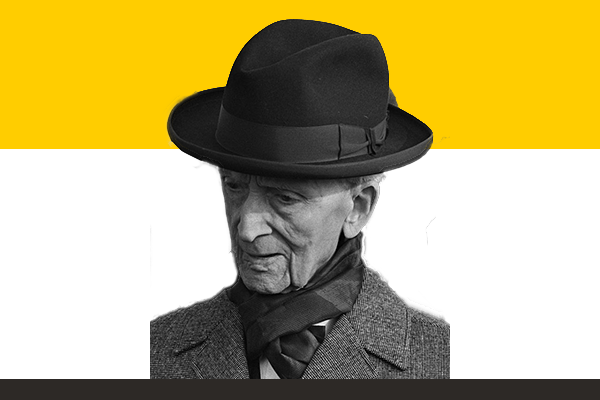
Early Life and Intellectual Foundations
Camille Huysmans entered public life as a passionate advocate for social justice, education, and democratic representation. Born in 1871, he grew up in a Belgium undergoing industrial and social transformation. He embraced learning early, studied philosophy and philology, and shaped his worldview through literature, languages, and political thought. He joined socialist circles, wrote extensively, and committed himself to empowering workers through knowledge and civic participation. His intellectual foundation prepared him for a lifetime of public service.
Rise Through the Socialist Movement
Huysmans quickly advanced within the Belgian Labour Party because he demonstrated exceptional communication skills and strategic thinking. He served as a teacher, journalist, and party organizer, and he actively promoted international socialist cooperation. He helped shape the Socialist International by drafting documents, coordinating meetings, and strengthening ties between European social democratic movements. His leadership elevated Belgium’s voice in international socialist affairs, and he gained recognition as a principled, articulate advocate for workers’ rights.
Commitment to Parliamentary Democracy
As a parliamentarian, Huysmans took an active role in shaping social policy. He supported laws that protected workers, expanded education, and promoted equality. He believed that a strong democracy must protect its people through social welfare, fair representation, and access to knowledge. He often challenged conservative forces and fought to defend civil liberties.
During the interwar years, he strengthened Belgium’s democratic institutions by participating in coalition governments and serving in various leadership roles. He also resisted extremist ideologies rising across Europe by defending parliamentary order and urging moderation and dialogue. His unwavering commitment to democratic principles prepared him for his most significant role: Prime Minister of Belgium.
Leadership as Prime Minister (1946–1947)
Camille Huysmans became Prime Minister in 1946 during a turbulent moment in Belgian history. Belgium was recovering from World War II, rebuilding its economy, and confronting political divisions. Huysmans accepted this challenge and formed a broad coalition government. He worked tirelessly to restore stability, revive industries, and strengthen Belgium’s role in post-war Europe.
He promoted reconstruction programs that encouraged employment, supported industrial modernization, and expanded social benefits. He emphasized cooperation between labor unions, employers, and government ministries to stabilize wages and ensure fair working conditions. He also encouraged educational reforms to prepare the younger generation for a modernizing nation.
On foreign affairs, he strengthened Belgium’s diplomatic ties and supported European cooperation as a way to prevent future conflicts. His government actively participated in discussions that would later inspire European integration. Although his tenure lasted only a year, he moved decisively and left a framework for continued recovery and development.
Legacy of a Dedicated Statesman
Even after leaving office, Huysmans remained a respected figure in Belgian politics. He served as Mayor of Antwerp, represented Belgium in parliament, and continued giving voice to workers, teachers, and intellectuals. He stayed active in debates about Europe’s future, social welfare, and democratic reforms. His influence extended beyond Belgium because he shaped socialist thought and encouraged international cooperation.
Camille Huysmans’s legacy endures because he combined scholarship, political skill, and unwavering commitment to justice. He acted with integrity, defended democratic values, and guided Belgium through a period of rebuilding. His story continues to inspire leaders who believe in dialogue, equality, and responsible governance.