Early Life and Political Rise
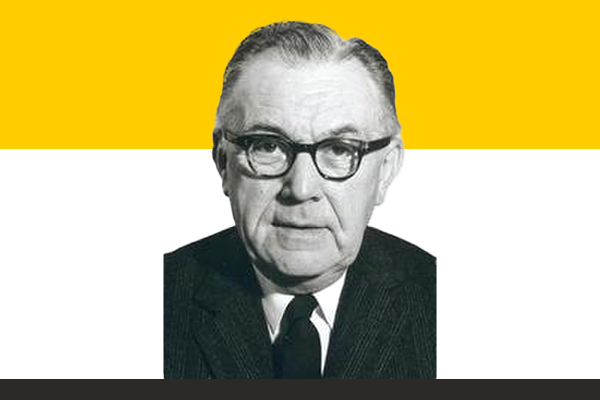
Jean Duvieusart entered Belgian politics with a strong commitment to public service and national stability. Born in 1900, he grew up during a period of major social and political change in Europe. He absorbed the debates of his time, and his early political experiences encouraged him to pursue a career dedicated to democracy and national unity. As he gained experience, he joined the Christian Social Party and actively contributed to its policies and parliamentary work. His colleagues recognized his intelligence and discipline, which helped him rise steadily within the party.
Path to National Leadership
Duvieusart strengthened his political credentials by taking on key government responsibilities in the years following World War II. Belgium faced enormous challenges during this period, including reconstruction, institutional debates, and the sensitive “Royal Question” surrounding King Leopold III. Duvieusart offered calm leadership and clear decision-making during this turbulent time. His reliable performance earned him respect across the political spectrum.
When political tensions peaked, party leaders selected Duvieusart to form a government. He accepted the task with determination, and in June 1950, he became Prime Minister of Belgium. His appointment reflected the need for a leader capable of handling one of the most delicate issues in the nation’s modern history.
Leadership During the Royal Question
Prime Minister Duvieusart confronted the central issue of King Leopold III’s potential return to the throne. He worked to manage public opinion, maintain order, and uphold democratic processes. Although the debate polarized the country, he made firm decisions to prevent instability. He organized and supervised the national referendum, which revealed divided public sentiment. Duvieusart used the results to guide political negotiations and reduce tensions.
When protests and disagreements intensified, he encouraged dialogue among political leaders and called for responsible governance. His actions attempted to preserve unity at a moment when social unrest threatened to escalate. Although the crisis ultimately forced the King to abdicate, Duvieusart’s leadership helped Belgium move toward a peaceful solution.
Policy Focus and Government Actions
Beyond the Royal Question, Duvieusart also focused on Belgium’s post-war recovery and social development. He supported economic reforms that aimed to strengthen industry, increase employment, and modernize the national infrastructure. He promoted cooperation among different sectors of society and encouraged productive labor relations. His government worked to expand social security programs and improve living conditions for working families.
Duvieusart also contributed to Belgium’s growing role in European integration. He believed in closer cooperation among European nations and supported early initiatives that would eventually lead to deeper regional unity. His foreign policy emphasized stability, diplomacy, and long-term collaboration.
Resignation and Continued Public Service
Political pressures continued to rise after the King’s abdication, and Duvieusart recognized that maintaining a stable government had become difficult. He decided to resign in August 1950 after only a few months in office. His decision demonstrated his respect for democratic institutions and national harmony. Instead of leaving political life, he continued to play an active role in the Belgian Senate and contributed to European political organizations.
He remained committed to dialogue, cooperation, and social progress throughout the rest of his career. His colleagues often admired his calm approach and his ability to balance strong principles with practical solutions.
Legacy of Leadership
Belgian history remembers Jean Duvieusart as a principled leader who guided the nation through one of its most sensitive post-war crises. He faced immense pressure, yet he chose responsibility over popularity. His emphasis on unity, democratic decision-making, and constructive political action continues to reflect his character as a dedicated public servant.