Mr. Leo Tindemans
In Office: 25 April 1974 – 20 October 1978
Political Party: Christian Democratic and Flemish
Home State: Zwijndrecht
Lifespan: 1922–2014
Country: Belgium
Image credits available here.
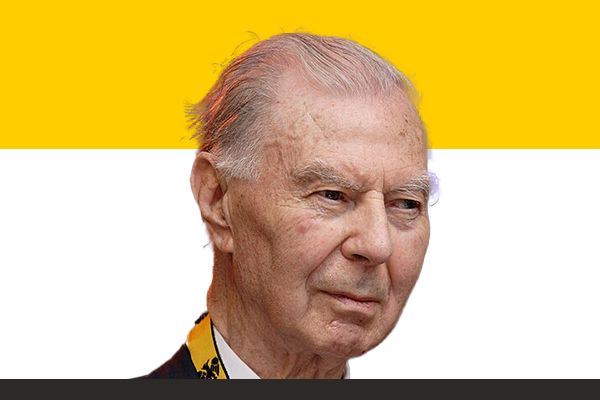
Early Life and Rise in Belgian Politics
Leo Tindemans built his political reputation through determination and clarity of purpose. Born in 1922, he grew up in a Belgium recovering from global conflict, and he developed a strong interest in governance and societal stability. He studied economics and social sciences, which helped him understand the needs of a transforming nation. Tindemans entered politics through the Christian People’s Party (CVP), where he quickly gained recognition for his analytical mind and practical decision-making.
As he moved through various party and local leadership roles, he demonstrated a commitment to public service. He spoke directly to citizens, addressed economic challenges openly, and embraced the idea that Belgium needed both stability and modernization. His straightforward communication style earned him broad public trust, setting the stage for national leadership.
Taking Office as Prime Minister
Belgium appointed Leo Tindemans as Prime Minister in 1974, and he immediately focused on strengthening economic resilience. Instead of allowing administrative delays to stall progress, he pushed his ministers to accelerate reforms. He encouraged cooperation among political partners during a period marked by economic turbulence and social tensions.
Tindemans implemented policies that improved fiscal discipline and increased governmental efficiency. He addressed unemployment by supporting industrial modernization and promoted initiatives that encouraged investment. His leadership brought a sense of steadiness to a country facing global recession.
Advancing Community Reforms
Belgium’s linguistic and regional tensions placed significant pressure on national unity during the 1970s. Tindemans recognized this challenge and guided important state reforms. He supported measures that promoted decentralization and gave cultural communities more autonomy. Instead of letting disputes divide the nation, he initiated dialogues that encouraged cooperation among regions.
His approach laid the foundation for Belgium’s eventual evolution into a federal state. By taking decisive steps, he strengthened democratic participation and created a more balanced relationship between the central government and regional authorities.
Championing European Integration
Leo Tindemans earned international recognition for his strong commitment to European cooperation. As Prime Minister, he believed Europe needed a clearer direction and greater unity. The European Council therefore asked him to create a comprehensive report on the future of the European Community.
Tindemans accepted the task and traveled across member states to gather views. In 1976, he presented the influential “Tindemans Report,” which outlined a roadmap for deeper political integration. His recommendations encouraged stronger institutions, improved democratic accountability, and closer cooperation in foreign policy. European leaders praised his vision, and his report shaped future discussions on the European Union’s development.
Even after leaving office, he continued to support European ideals as a Member of the European Parliament. His dedication positioned him as one of Belgium’s most respected statesmen on European affairs.
Later Career and Continued Service
After serving as Prime Minister until 1978, Tindemans remained a significant figure in Belgian politics. He held ministerial roles, contributed to party leadership, and represented his country in European institutions. Throughout these responsibilities, he continued to promote dialogue, stability, and unity.
His long career demonstrated his commitment to public life. He used his experience to mentor young politicians and remained active in debates on Europe’s evolving identity.
Legacy of Leadership
Prime Minister Leo Tindemans left a lasting imprint on Belgium and Europe. He led with clarity, integrity, and a strong sense of duty. His domestic reforms strengthened Belgium’s political structure, while his European vision influenced the continent’s long-term direction.