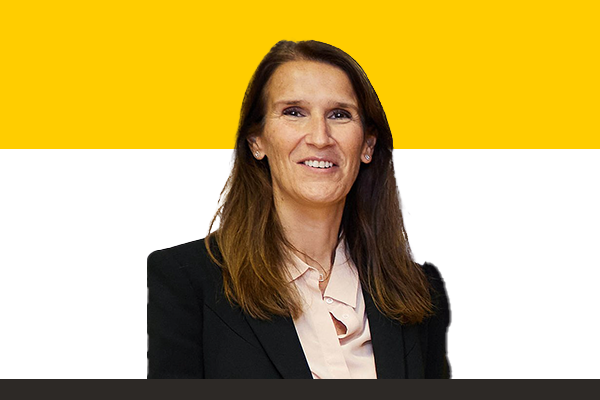
Early Political Rise
Sophie Wilmès entered Belgian politics with a clear sense of purpose, and she quickly built a reputation for competence and steady decision-making. She began her career at the local level, where she engaged directly with community issues and gained public trust through practical problem-solving. Her ability to navigate complex administrative tasks helped her rise steadily within the Reformist Movement. She demonstrated commitment to transparent governance, and party leaders increasingly recognized her skill in handling sensitive responsibilities. As she advanced, she developed a firm grasp of finance, administration, and intergovernmental coordination.
Transition to National Leadership
The federal government appointed her as Minister of Budget and Public Service, a role in which she handled national financial planning and administrative reform. She ensured accountability in public expenditure and promoted modernization within government services. Her performance in this demanding portfolio strengthened her reputation as one of Belgium’s most reliable political figures. When the country faced political uncertainty, party leaders selected her to form a new government. She accepted the responsibility and stepped into the position of Prime Minister, becoming the first woman to lead Belgium.
Leadership as Prime Minister
As Prime Minister, Sophie Wilmès brought a calm and rational approach to governance. She coordinated with coalition partners, listened carefully to expert advice, and prioritized national stability. She spoke clearly about the challenges Belgium faced and emphasized cooperation as the key to progress. Her leadership style relied on consensus-building, and she encouraged open communication across political lines. She approached decision-making with a focus on long-term impacts, and she ensured that government institutions functioned smoothly despite political fragmentation.
Managing the COVID-19 Crisis
Her tenure soon became defined by one of the most severe public health emergencies in modern history. When COVID-19 reached Belgium, she moved swiftly to coordinate national response efforts. She consulted medical specialists, reviewed international data, and communicated urgent instructions to the public. Her government implemented safety measures, strengthened coordination between federal and regional authorities, and worked to maintain essential services. She addressed the nation regularly, offering reassurance while pressing citizens to follow protective guidelines. Throughout the crisis, she emphasized solidarity, responsibility, and scientific guidance. Her calm presence during this uncertain period helped guide Belgium through widespread anxiety and disruption.
Building Cooperation Nationally and Internationally
Wilmès maintained strong working relationships with European partners and international organizations. She participated actively in discussions on economic recovery, public health, and regional cooperation. Her diplomacy reflected Belgium’s role as a central actor within the European Union. At home, she worked to balance the differing needs of regions and linguistic communities. She encouraged unity and reminded political leaders that shared challenges required shared solutions. Her approach highlighted the importance of dialogue, respect, and mutual understanding in Belgium’s complex political landscape.
Legacy and Continued Influence
Sophie Wilmès left the position of Prime Minister after guiding Belgium through the most critical stage of the pandemic, but she continued contributing to national politics. She later served as Minister of Foreign Affairs, where she expanded her experience in global diplomacy. Her career stands out for its dedication to responsible governance and public service. She inspired many by demonstrating that steady leadership and thoughtful decision-making can shape national outcomes. Her work continues to influence Belgian politics, and she remains a respected figure both in her party and within the broader political environment.