Mr. Abu Sayeed Chowdhury
In Office: 12 January 1972 – 24 December 1973
Political Party: Awami League
Home State: Kalihati
Lifespan: 1921–1987
Country: Bangladesh
Image credits available here.
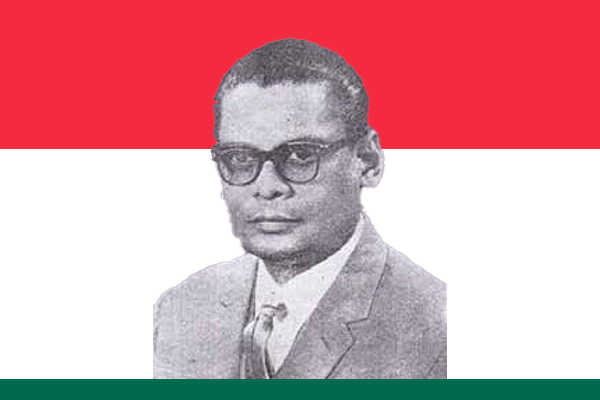
Early Life and Academic Journey
Abu Sayeed Chowdhury was born on January 31, 1921, in a respected family in Chittagong. He grew up in an environment that valued scholarship and public service. His parents encouraged him to excel in his studies, and he developed a strong interest in law and governance. After completing his early education in Bangladesh, he pursued higher studies in the United Kingdom. He studied law at the University of London and trained as a barrister. This academic background shaped his intellectual outlook and prepared him for a future career in leadership.
Career in Law and Public Service
Chowdhury built his career as a lawyer with dedication and professionalism. He earned admiration for his integrity and deep understanding of legal principles. His successful legal career soon opened doors to public service. He took on responsibilities in various administrative and governmental capacities, where he demonstrated his commitment to justice and national welfare. His experience in law helped him approach political issues with clarity and fairness.
Role in Bangladesh’s Independence Movement
When the struggle for Bangladesh’s independence intensified, Chowdhury played an important role on the international stage. While he was serving abroad, he strongly condemned the injustices occurring in East Pakistan during the 1971 Liberation War. He resigned from his diplomatic position to protest the atrocities and used his influence to raise global awareness about the crisis. He advocated for Bangladesh’s right to self-determination and urged world leaders to support the cause. His voice contributed significantly to the success of the international campaign for independence.
Presidency of Bangladesh
In 1972, the government appointed Abu Sayeed Chowdhury as the President of Bangladesh. As president, he worked to stabilize the newly independent nation and guide it through its early challenges. He emphasized unity, nation-building, and social harmony. Although Bangladesh was facing economic struggles and political uncertainties at the time, he encouraged the country to move toward democratic governance and development.
Chowdhury used his diplomatic skills to strengthen Bangladesh’s relations with other countries. He represented the nation on various international platforms and promoted cooperation, peace, and mutual respect. His calm and thoughtful leadership reassured the people as the young country began shaping its identity on the world stage.
Contributions to Diplomacy and Human Rights
After his presidency, Chowdhury continued serving Bangladesh in diplomatic roles. He became involved in international discussions on human rights and justice. His experience during the Liberation War motivated him to support global human rights efforts. He participated in different organizations and conferences where he voiced the importance of protecting human dignity.
Chowdhury contributed to shaping Bangladesh’s foreign policy by encouraging partnerships with both regional and global powers. He believed in diplomacy as a tool for development and peace. His reputation as a principled leader made him a respected figure in international circles.
Legacy and Influence
Abu Sayeed Chowdhury left a lasting legacy as a statesman, diplomat, and advocate of justice. Bangladesh remembers him as a leader who guided the country with wisdom during a critical period. He demonstrated how integrity and commitment can strengthen a young nation’s foundation. His contributions to human rights highlighted his compassion and moral courage.