Mr. A. Q. M. Badruddoza Chowdhury
In Office: 14 November 2001 – 21 June 2002
Political Party: Bangladesh Nationalist Party
Home State: Comilla
Lifespan: 1930–2024
Country: Bangladesh
Image credits available here.
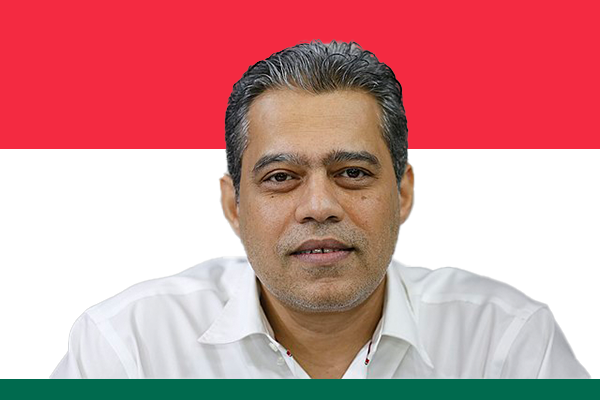
Early Life and Academic Excellence
A. Q. M. Badruddoza Chowdhury was born on November 1, 1932, in Comilla, Bangladesh. He grew up in a culturally rich and academically encouraging environment that inspired him to pursue education with dedication. He completed his schooling in Dhaka and later earned his medical degree from Dhaka Medical College. His early achievements in medicine reflected his discipline and commitment to public service. After completing his education, he began his medical career and quickly gained respect for his empathy, professionalism, and service-driven approach.
Contribution to Health and Culture
Dr. Chowdhury built a successful career as a physician before entering politics. He practiced medicine with compassion and always emphasized ethical responsibility. Beyond healthcare, he engaged actively in Bangladesh’s cultural landscape. He promoted Bangla language, literature, and performing arts, helping expand cultural awareness among younger generations. His ability to combine medical expertise with cultural advocacy shaped his reputation as a multidimensional national figure.
Entry into Politics
Badruddoza Chowdhury formally entered politics in the late 1970s when the Bangladesh Nationalist Party (BNP) invited him to play a foundational role. He accepted the opportunity and became one of the party’s early leaders. His integrity and calm leadership style helped him gain public trust. In 1979, he won a seat in the national parliament and began representing the voices of ordinary citizens with sincerity. He focused on economic development, education, and democratic growth.
Leadership Roles and Achievements
Chowdhury took on several major responsibilities during his political career. He served as Foreign Minister, where he promoted Bangladesh’s diplomatic relations and strengthened ties with both regional and global partners. Under his leadership, Bangladesh projected a more confident and cooperative presence in international forums. He also served as Deputy Leader of Parliament and later as Vice President of the BNP. His approachable personality and inclusive decision-making helped him maintain strong support inside the party.
Election as President of Bangladesh
In 2001, the ruling coalition elected A. Q. M. Badruddoza Chowdhury as the 13th President of Bangladesh. His presidency aimed to strengthen democratic values and ensure constitutional integrity. He carried out his presidential duties with dignity, impartiality, and a commitment to national unity. He encouraged government institutions to operate transparently and urged political leaders to work collaboratively. His experience in public service helped him represent the nation with stability and purpose.
Challenges and Resignation
During his term, Chowdhury faced political disagreements within his party. Despite his efforts to maintain neutrality as president, some members of the ruling coalition criticized him for not aligning closely with partisan expectations. Instead of compromising the dignity of the office of the president, he chose to resign in June 2002. His resignation demonstrated his lifelong commitment to principle and respect for constitutional ethics.
Continued Public Engagement
After leaving the presidency, Badruddoza Chowdhury remained active in intellectual and civic life. He founded the political party Bikalpa Dhara Bangladesh (BDB), which advocated for political reform, anti-corruption measures, and youth engagement. He also continued writing, lecturing, and participating in discussions on democracy, healthcare, and cultural preservation. His contributions extended far beyond politics, reflecting a lifelong dedication to social development.
Legacy and Influence
President A. Q. M. Badruddoza Chowdhury stands as a symbol of integrity, moderate politics, and intellectual leadership in Bangladesh. His career blended medicine, culture, and statesmanship, showing how diverse experiences can shape strong national leaders. He consistently defended democratic values and placed the nation’s interests above personal gain. His legacy continues to inspire policymakers, students, and citizens who value ethical governance and public service.