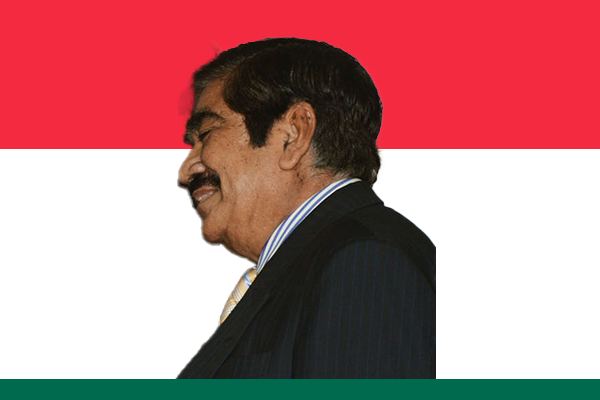
Mr. Kazi Zafar Ahmad
In Office: 12 August 1989 – 6 December 1990
Political Party: Jatiya Party
Home State: Chauddagram
Lifespan: 1939–2015
Country: Bangladesh
Image credits available here.
Early Life and Education
Kazi Zafar Ahmad was born in 1939 in Feni, located in present-day Bangladesh. He grew up in a region known for political activism, and this environment shaped his early worldview. He completed his education locally and later joined student politics. During his youth, he advocated for social justice and worked to mobilize young activists. His early involvement in left-leaning movements prepared him for a long and dynamic political career.
Entry into Left-Wing Politics
Zafar Ahmad began his political life in leftist organizations. He joined labor movements and supported the rights of workers in industrial areas. He spent years building grassroots networks that connected him with labor unions and community groups. He used these networks to rise through the political ranks. His activism gave him a strong reputation as a leader who understood the struggles of working-class people.
Role in post-Independence Bangladesh
After Bangladesh gained independence in 1971, Kazi Zafar Ahmad continued his involvement in national politics. He became a member of the Jatiya Samajtantrik Dal (JSD), a socialist political group that played an important role in shaping the early political climate. He actively participated in parliamentary politics and emphasized socialist principles as a foundation for national development. Over time, political shifts within the party encouraged him to explore alliances with different political groups.
Joining Jatiya Party and Rise to Power
Zafar Ahmad made a significant career move when he joined the Jatiya Party led by President Hussain Muhammad Ershad. This decision aligned him with a more centrist political platform. He quickly gained prominence within the party because of his administrative experience and strong organizational skills. Ershad appointed him as minister in various capacities, and Zafar Ahmad used these opportunities to build influence inside the government.
Appointment as Prime Minister
Kazi Zafar Ahmad reached the peak of his political journey when he became the Prime Minister of Bangladesh in 1989. As Prime Minister, he played a key role in implementing governmental decisions and overseeing national policies. He worked closely with President Ershad and supported the government’s plans for economic development. He also took part in initiatives aimed at improving transportation, infrastructure, and industrial productivity.
Leadership Style and Governance
Zafar Ahmad led with a combination of political assertiveness and administrative discipline. He promoted government reforms and encouraged public-sector growth. He also focused on strengthening relationships with regional political leaders and maintaining internal stability within the Jatiya Party. Supporters praised him for his commitment to development, while critics questioned the government’s approach to democracy during this period.
Political Challenges and Downfall
Zafar Ahmad faced major political challenges as opposition parties increased pressure on Ershad’s government. The movement for democracy gained momentum across the country. As protests grew, the government’s legitimacy weakened. In 1990, Ershad’s regime collapsed, and Zafar Ahmad stepped down from office along with other senior leaders. The fall of the government marked a turning point in his political life.
Later Political Career
After leaving office, Zafar Ahmad remained active in politics. He continued to support the Jatiya Party but also faced internal conflicts. At various times, he aligned with different factions and worked to influence national politics. He sought to maintain relevance by participating in political dialogues and advising party members. Despite controversies, he kept his commitment to political involvement until his final years.
Legacy
Kazi Zafar Ahmad left behind a legacy shaped by activism, leadership, and controversy. He played a prominent role in both left-wing and centrist politics, and his journey reflected the shifting political climate of Bangladesh. Supporters remember him as a strong administrator, while critics highlight the challenges of the era he represented. His life story captures the complexity of Bangladeshi politics during the transitional decades of the 20th century.