Mr. Fakhruddin Ahmed
In Office: 12 January 2007 – 6 January 2009
Political Party: Independent
Home State: Tongibari
Lifespan: born 1940
Country: Bangladesh
Image credits available here.
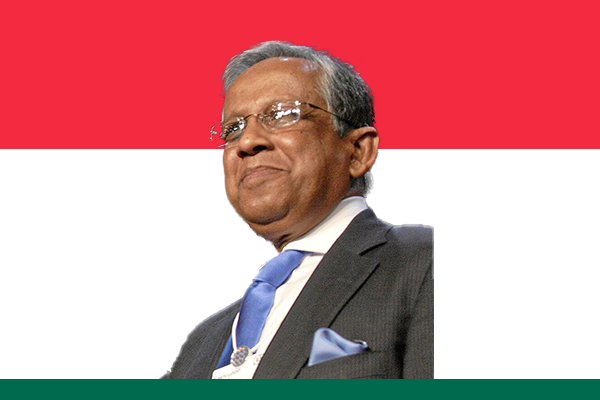
Early Life and Academic Background
Fakhruddin Ahmed was born on May 1, 1940, in Munshiganj, Bangladesh. He grew up in a family that valued education, and he displayed a strong academic inclination from an early age. Ahmed completed his bachelor’s degree in economics from the University of Dhaka and later earned a master’s degree from the same institution. His passion for higher education pushed him to continue his studies abroad. He pursued another master’s degree at Princeton University, where he deepened his understanding of development economics, banking, and public policy. His academic training prepared him for the leadership roles he would later undertake in Bangladesh’s financial sector.
Professional Career in Banking and Finance
Ahmed began his career at the Pakistan Institute of Development Economics before Bangladesh gained independence. After 1971, he joined the Bangladesh government’s economic institutions and contributed to the country’s early development planning. His talent eventually led him to the Bangladesh Bank, where he served in various senior positions.
In 2001, the government appointed him as the Governor of Bangladesh Bank. During his tenure, he strengthened the banking system, encouraged financial transparency, and implemented reforms to reduce loan defaults. He prioritized stability and modernization, helping Bangladesh’s financial sector gain credibility at home and abroad. His success as governor built his reputation as a capable and neutral technocrat.
Rise to National Political Leadership
Fakhruddin Ahmed entered national leadership during a critical and turbulent period. In January 2007, Bangladesh faced intense political unrest, electoral disputes, and violent street protests. The situation threatened the country’s democratic process. Amid rising tensions, President Iajuddin Ahmed declared a state of emergency.
The caretaker government needed a neutral and widely respected leader to restore order. The authorities turned to Fakhruddin Ahmed because of his reputation for integrity, calm leadership, and economic expertise. He accepted the responsibility and became the Chief Adviser (Prime Minister) of the Caretaker Government of Bangladesh.
Leadership of the Caretaker Government (2007–2008)
As the head of the caretaker administration, Fakhruddin Ahmed focused on stabilizing the political climate. He launched initiatives to reform the electoral system and restore public confidence in governance. His government worked with the Election Commission to create a voter list with photographs, which reduced fraud and strengthened the credibility of the electoral process.
Ahmed also prioritized anti-corruption measures. His administration pursued high-profile corruption cases, targeting both powerful politicians and influential business leaders. He believed these actions would create a cleaner political environment. Although some critics argued that the measures were too aggressive, many citizens supported his efforts to reduce corruption and ensure accountability.
Economic and Social Reforms
During his tenure, Ahmed implemented policies to protect the economy from instability. He supported agricultural development, encouraged foreign investment, and promoted trade. His government also focused on disaster management after severe floods affected parts of the country. He coordinated relief programs and mobilized resources to help vulnerable communities.
In education and social welfare, he encouraged reforms that aimed to strengthen institutions and improve transparency. His technocratic approach emphasized data-driven policymaking and long-term benefits for society.
Return to Democratic Governance
After completing the voter registration process and ensuring that electoral conditions improved, Fakhruddin Ahmed oversaw the national elections in December 2008. His government handed over power peacefully to the newly elected leadership, successfully completing the caretaker government’s mandate. His calm, disciplined, and reform-oriented administration helped restore political stability and pave the way for democratic continuity.
Legacy and Influence
Fakhruddin Ahmed continues to be remembered as a principled leader who guided Bangladesh through a challenging transitional period. His commitment to transparency, economic stability, and institutional reform shaped the nation’s governance framework. Many Bangladeshis respect him for upholding neutrality, discipline, and integrity in times of crisis. His leadership demonstrated how technocrats can play a vital role in stabilizing democracies during turbulent moments.