Mr. Kim Seong-su
In Office: 16 May 1951 – 28 June 1952
Political Party: Democratic Nationalist
Home State: Gochang
Lifespan: 1891–1955
Country: South Korea
Image credits available here.
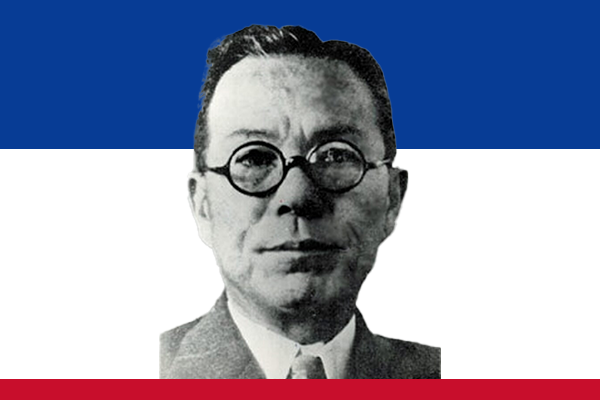
Early Life and Educational Vision
Kim Seong-su shaped modern Korean education by dedicating his early years to learning and institution-building. Born in 1891, he embraced scholarship from a young age and pursued studies with a determination that reflected his broader vision for Korea’s future. He witnessed Japanese colonial rule, and instead of remaining passive, he chose to strengthen Korean identity through education. He actively founded schools, encouraged academic growth, and helped create spaces where young Koreans could develop intellectual independence.
Kim co-founded Dong-A Ilbo, one of Korea’s most influential newspapers, and he used it to spread national awareness and inspire civic responsibility. He also played a major role in establishing Korea University, which grew into one of the country’s top institutions. Through these initiatives, he promoted modern education, freedom of thought, and democratic values.
Role in the Independence Movement
During the colonial era, Kim Seong-su joined movements that advocated Korean rights and cultural preservation. Instead of accepting oppression, he mobilized intellectuals, organized academic resistance, and used media to challenge colonial narratives. His articles encouraged unity and national consciousness, and he continuously reminded Koreans of their cultural strength. His leadership showed how moral courage and education can become powerful tools against oppression.
Political Rise in a New Republic
After Korea regained independence in 1945, Kim stepped into politics to help build a democratic foundation for the new nation. He joined the movement for constitutional development and worked closely with leaders who aimed to establish an independent, modern republic. His political career accelerated when he helped form the Korean Democratic Party (KDP), which promoted pluralism and civilian participation.
Kim’s reputation for integrity and intellect earned him national respect. In 1948, when South Korea established its first government, leaders appointed him as the first Vice President under President Syngman Rhee. Kim accepted the role to guide the country through its turbulent transition, insisting on democratic governance and transparent leadership.
Vice Presidency and Political Challenges
As Vice President, Kim Seong-su actively worked to stabilize government institutions and strengthen the rule of law. He supported policies that expanded education, protected freedom of the press, and encouraged civic engagement. He also advocated moderation at a time when political tensions and ideological divides challenged national unity.
However, he often clashed with President Rhee’s authoritarian tendencies. Kim rejected centralization of power and stood firmly for democratic ideals. When he saw the government drift toward autocracy, he openly expressed concern. His criticism reflected his lifelong belief that a free society must protect open debate and constitutional rights.
The growing political conflict eventually pushed him to resign in 1951. Instead of compromising his principles, he chose to step down and preserve his integrity. His resignation represented a courageous stand for democracy during one of South Korea’s most fragile periods.
Legacy as an Educator and Statesman
Kim Seong-su continued shaping Korean society long after leaving office. He returned to educational work, strengthened academic institutions, and promoted historical and cultural research. His contributions helped Korea rebuild after war and re-establish its intellectual identity.
Today, historians remember him as a visionary educator, a principled politician, and a champion of democratic values. His leadership influenced generations of students, journalists, and civic leaders.