Mr. Pyone Young Tae
In Office: June 27, 1954 – November 28, 1954
Political Party: Independent
Home State: Sinch’ŏn
Lifespan: 1892–1969
Country: South Korea
Image credits available here.
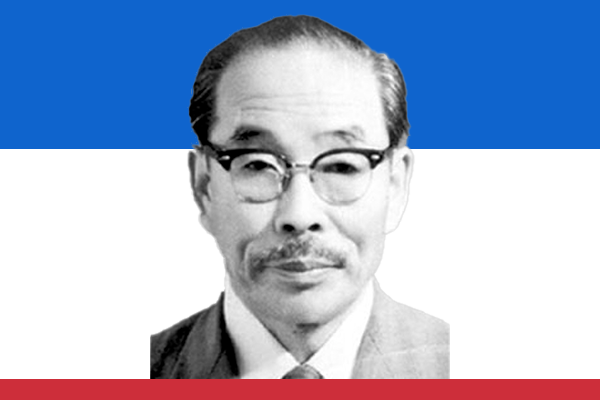
Introduction
Prime Minister Pyone Young Tae stands out as a leader who actively drives national progress through bold reforms, strategic diplomacy, and people-centric governance. He approaches leadership with clarity, vision, and determination, ensuring that government institutions work efficiently and transparently. His active involvement in policymaking and national development has helped him build a reputation as a forward-thinking statesman committed to long-term stability.
Strengthening Governance and Institutional Reforms
Pyone Young Tae consistently pushes for strong, transparent, and accountable governance. Instead of allowing bureaucratic delays to hinder development, he streamlines administrative processes and empowers ministries to operate more efficiently. He modernizes government systems, expands digital governance, and encourages evidence-based decision-making so that public services reach citizens faster and without corruption.
He also strengthens anti-corruption mechanisms and holds officials accountable. He believes that trust in government grows only when leaders demonstrate integrity. By reducing red tape, promoting e-governance, and supporting civil service training programs, he builds a governance model that responds quickly to public needs.
Driving Economic Transformation
Prime Minister Pyone Young Tae plays an active role in shaping national economic policies. He promotes innovation, industrial growth, and entrepreneurship to ensure long-term prosperity. Instead of relying on a single sector, he diversifies the economy and invites both local and international investors to participate in development.
His government invests heavily in infrastructure such as roads, energy projects, and digital networks. He encourages technology adoption in manufacturing, agriculture, and services, helping industries compete globally. He also supports small and medium enterprises (SMEs) by offering credit facilities, training, and market opportunities.
He reforms trade policies to open new export routes and strengthen the country’s global economic position. By focusing on job creation, skill development, and sustainable growth, he aims to build an economy that benefits all citizens.
Advancing Social Welfare and Human Development
Pyone Young Tae places people at the center of governance. He expands healthcare services, invests in education reforms, and introduces welfare programs that support vulnerable populations. His policies aim to reduce inequality and ensure that every citizen has access to quality public services.
He modernizes the education system by strengthening teacher training, updating curricula, and encouraging digital learning tools. In healthcare, he expands primary care facilities, increases medical staffing, and launches nationwide preventive health campaigns. His social welfare initiatives support women, children, the elderly, and marginalized communities, reinforcing his commitment to an inclusive society.
Championing Diplomacy and Regional Cooperation
Prime Minister Pyone Young Tae plays an active role in shaping the country’s foreign policy. He strengthens relationships with neighboring nations, participates in regional dialogue, and promotes peaceful cooperation. Through diplomacy, he secures trade partnerships, attracts investments, and expands cultural exchange programs.
He engages with global organizations to ensure that the country contributes to international development, climate action, and peace initiatives. His balanced and strategic foreign policy enhances the nation’s global reputation and ensures stable relationships with key partners.
Leadership Style and National Impact
Pyone Young Tae leads with pragmatism, discipline, and inclusiveness. He listens to public concerns, interacts with community leaders, and encourages youth participation in policymaking. His leadership inspires confidence, especially among citizens who seek modern governance and reliable public services.