Mr. Ho Chong
In Office: 27 April 1960 – 16 June 1960
Political Party: Independent
Home State: Busan
Lifespan: 1896–1988
Country: South Korea
Image credits available here.
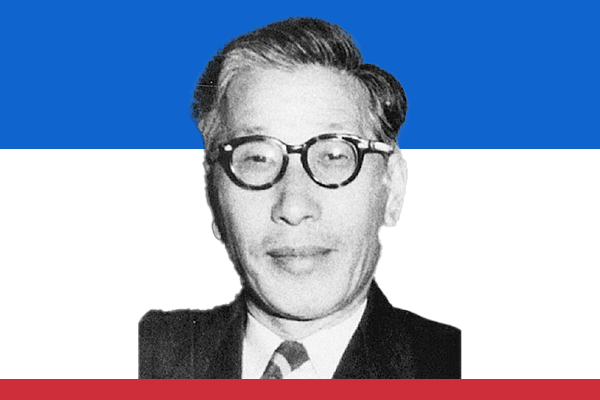
Early Life and Path to Leadership
Ho Chong began his journey in a Korea struggling under foreign rule, and he used education as his foundation for future leadership. He studied diligently, embraced modern political ideas, and prepared himself for public service with a strong sense of national responsibility. His early experiences shaped his belief that South Korea needed disciplined governance, social unity, and institutional strength to survive the challenges of the mid-20th century.
Rise in Government Service
Ho Chong entered public service with commitment and discipline. He quickly earned a reputation as a dedicated administrator who understood both policy and people. His leadership gained national attention when he served as Mayor of Seoul. He modernized city operations, coordinated public safety measures, and strengthened administrative efficiency. These actions demonstrated his capability to manage complex crises—an ability that later became vital during the Korean War.
Leadership During the Korean War
South Korea faced one of its darkest periods when the Korean War erupted. Ho Chong stepped forward at a moment when the nation faced deep instability. When the government needed a reliable figure to maintain administrative continuity, he accepted the position of Acting Prime Minister in 1950. He coordinated emergency responses, restored disrupted communication networks, and worked closely with military and international partners to support national defense.
Instead of reacting passively to chaos, he took initiative. He reorganized ministries, stabilized essential services, and motivated civil servants to maintain government functions even as the war threatened the nation’s survival. His decisive leadership helped South Korea preserve its administrative core at a time when collapse seemed possible.
Strengthening Democratic Institutions
Ho Chong believed that South Korea’s long-term survival depended on strong democratic institutions. He supported constitutional governance, encouraged civic participation, and advocated reforms that improved transparency in government operations. He viewed democratic stability as a tool that could protect citizens from authoritarian threats and foreign influence.
During his tenure, he promoted policies that strengthened legal frameworks and improved coordination between the executive and legislative branches. By insisting on procedural fairness and accountability, he laid foundations for the democratic practices that South Korea later developed.
Advocacy for Social Stability
Ho Chong emphasized social harmony as a key national priority. He encouraged community rebuilding during wartime displacement, supported programs that helped families resettle, and spoke openly about the need for unity. He believed that a country facing external threat must first build internal trust, and he used his leadership to promote cooperation among citizens, civil servants, and military personnel.
His speeches motivated people to maintain resilience, and his administrative measures ensured that relief efforts reached communities in need. He acted as a stabilizing force who understood the human cost of war and responded with empathy as well as firmness.
Legacy and National Impact
Prime Minister Ho Chong left a legacy grounded in service, discipline, and national commitment. He demonstrated that strong leadership does not rely on power alone but on responsibility, integrity, and preparedness. His efforts protected the functioning of the government during the Korean War and strengthened the administrative systems that South Korea later relied on during its rapid modernization.