Mr. Shin Hyun-hwak
In Office: December 13, 1979 – May 21, 1980
Political Party: Democratic Republican
Home State: Waegwan
Lifespan: 1920–2007
Country: South Korea
Image credits available here.
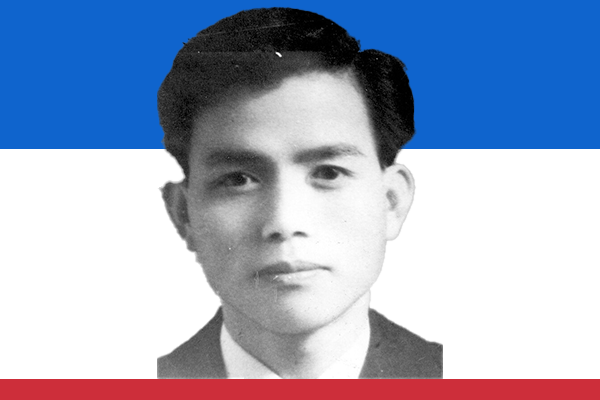
Early Life and Administrative Rise
Shin Hyun-hwak, born on October 29, 1920, grew up during Korea’s difficult pre-independence years. He studied economics and public administration, and he committed himself early to government work. After Korea’s liberation, he entered administrative service and steadily built a reputation as an efficient and disciplined bureaucrat. South Korea’s rapid state-led development in the 1960s and 1970s demanded strong administrators, and Shin’s abilities allowed him to advance quickly.
He joined the Ministry of Home Affairs and earned respect by managing complex provincial and national affairs. His colleagues valued his organizational skills, and political leaders depended on his ability to implement policy with precision. Over time, he positioned himself as one of the trusted technocrats within the ruling structure.
Service Under President Park Chung-hee
As South Korea intensified industrialization, Shin Hyun-hwak took on prominent roles. He eventually became Minister of Home Affairs, where he oversaw national security, public administration, and internal stability. His firm leadership and administrative discipline strengthened his standing under President Park Chung-hee’s government.
Shin acted as a bridge between political authority and the bureaucratic system. He managed civil affairs with strictness, and he emphasized order and rapid policy execution. His loyalty to government stability made him a natural choice for higher office as the country entered a politically uncertain phase during the late 1970s.
Becoming Prime Minister During Crisis
Shin Hyun-hwak became Prime Minister of South Korea on December 13, 1979, shortly after Park Chung-hee’s assassination. The nation faced shock and instability, and the government urgently needed experienced leadership. Shin accepted the responsibility of guiding the state through a delicate transition.
He worked to stabilize government operations and reassure a nervous public. He coordinated with security agencies, managed emergency meetings, and attempted to maintain continuity in governance. His leadership style emphasized calmness, discipline, and administrative control.
However, internal political divisions and military tensions grew rapidly. Reform movements called for democratization, while conservative forces resisted sweeping political changes.
Coup of December 1979 and Loss of Authority
Shin Hyun-hwak attempted to steer the government toward stability, but events soon overtook his administration. On December 12, 1979, General Chun Doo-hwan and military allies launched a coup that seized control of the armed forces.
Shin resisted the takeover politically, but he lacked the military power to stop it. The coup weakened civilian authority, and Shin’s government struggled to assert control. Over the following months, the new military faction gradually sidelined his influence.
His term ended on May 21, 1980, as Chun’s group consolidated full power. Although Shin hoped to guide the nation toward a more orderly transition, he could not prevent the dominance of the new military leadership.
Later Years and Legacy
After leaving office, Shin Hyun-hwak stepped away from the political frontline. He lived a quieter life, reflecting on the turbulent era he had navigated. Historians view him as a dedicated bureaucrat who tried to protect institutional stability during one of South Korea’s most chaotic political transitions.
His legacy highlights the challenges that civilian leaders faced when military forces controlled political power. While he could not stop the rise of Chun Doo-hwan, he still represented an effort to preserve administrative order and constitutional governance during crisis.
Shin Hyun-hwak died on April 12, 2007, leaving behind the complex legacy of a leader who stood at the crossroads of South Korea’s push toward modernization and its struggle for democratic reform.