Mr. Lee Soo-sung
In Office: 18 December 1995 – 4 March 1997
Political Party: New Korea
Home State: Hamhŭng
Lifespan: born 1939
Country: South Korea
Image credits available here.
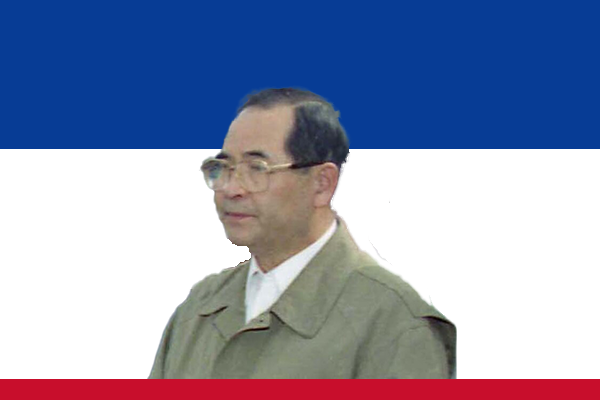
Early Life and Academic Foundations
Lee Soo-sung, born on March 10, 1939, in South Korea’s Gyeongsang Province, grew up in an environment that valued education, discipline, and public responsibility. He pursued law with strong determination and earned degrees from Seoul National University. Instead of choosing a conventional legal path, he immersed himself in academic research and teaching. He developed expertise in constitutional law and quickly gained recognition as one of the country’s most respected legal scholars.
As a professor, he inspired students to examine legal systems with critical thinking. He produced influential academic work and built a reputation for fairness, intellectual honesty, and dedication to democratic principles. His academic success eventually led him to the presidency of Seoul National University, where he modernized its governance, strengthened research programs, and promoted international cooperation.
Rise to Political Leadership
The political climate of South Korea in the mid-1990s demanded leaders who could strengthen democratic institutions. Lee Soo-sung stepped into politics when President Kim Young-sam appointed him as the 30th Prime Minister in December 1995. Lee accepted the role with a strong commitment to public service and promised to guide government reforms with transparency and accountability.
As Prime Minister, he took charge of implementing administrative reforms, enhancing judicial independence, and ensuring ethical governance. He encouraged ministries to streamline decision-making and embrace anti-corruption measures. His legal background helped him interpret policies with clarity and foresight, which strengthened his leadership image.
Governance, Reforms, and National Stability
During his tenure, Lee confronted multiple political challenges. Instead of avoiding difficult issues, he addressed them directly and promoted dialogue across political parties. He supported policies that improved public welfare and strengthened democratic norms. He also prioritized judicial reforms, pushing for a system that protected citizens’ rights more effectively.
Lee encouraged the government to improve local administration and expand transparency. He worked with economic advisors to stabilize markets and maintain investor confidence during a period of social change. His administration focused on long-term planning rather than short-term political gains.
Although his tenure lasted only until March 1997, he left a mark by reinforcing the idea that governance should prioritize integrity over political ambition. He returned to academia after stepping down, proving that his commitment to national development extended beyond political office.
Later Contributions and Legacy
After returning to academic life, Lee continued influencing legal thought and public policy. He wrote extensively, delivered lectures, and advised institutions on constitutional matters. Many legal scholars and public servants credit him for shaping modern Korean constitutional studies.
Lee Soo-sung’s legacy reflects the values of discipline, fairness, and intellectual leadership. He demonstrated that a scholar can serve as an effective national leader, guiding reforms with knowledge and integrity. His work continues to inspire future generations who seek to contribute to South Korea’s democratic development.