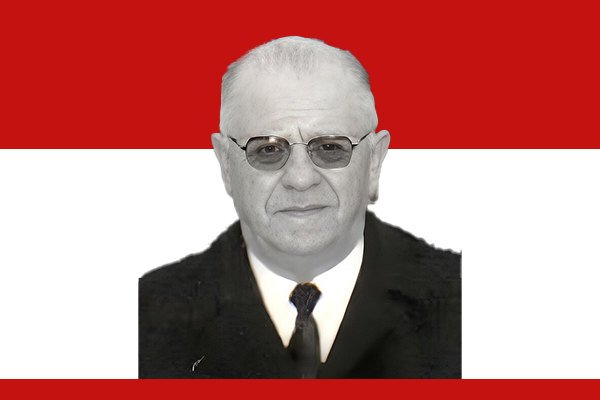
President Cevdet Sunay: A Leader in Turkey’s Transformative Era
Cevdet Sunay, born on February 10, 1899, in Istanbul, rose to prominence through his distinguished military career before serving as Turkey’s 5th President from 1966 to 1973. His leadership came during a turbulent period in Turkish history, and his efforts shaped the country’s political and military landscape.
Early Life and Education
Sunay pursued his education in Istanbul, attending the prestigious military schools that groomed many of Turkey’s future leaders. After completing the Imperial Military Academy, he graduated from the War Academy, where he gained advanced strategic and leadership skills. These formative years equipped him with the expertise that later defined his military and political decisions.
Military Career and Achievements
Sunay began his military career in 1918 as a junior officer in the Ottoman Army. He actively participated in the Turkish War of Independence, contributing to the formation of the modern Turkish state. During his service, he held multiple key posts, including commanding various regiments and divisions. Sunay earned a reputation for discipline, strategic insight, and steadfast dedication to his country.
By 1960, Sunay had ascended to the role of Chief of the General Staff, the highest military position in Turkey. In this capacity, he advised political leaders, implemented military reforms, and ensured the Turkish Armed Forces remained a stabilizing force amid political upheavals. His leadership in the military not only strengthened national security but also positioned him as a respected figure for future presidential consideration.
Presidency (1966–1973)
Cevdet Sunay assumed the presidency on March 28, 1966, following the resignation of President Cemal Gürsel. His presidency occurred during a period marked by political instability, student protests, and economic challenges. Sunay actively promoted unity and stability, working to mediate between conflicting political factions. He frequently consulted with military and civilian leaders to prevent crises and maintain order.
Sunay supported the Turkish constitution and ensured its provisions guided governance, balancing the military’s role with civilian authority. He prioritized national security, diplomatic relations, and modernization initiatives. Under his leadership, Turkey strengthened ties with Western allies, particularly through NATO, while navigating internal political tensions.
Legacy and Contributions
After completing his presidential term on March 28, 1973, Sunay left a legacy as a leader who bridged military discipline and political stewardship. Historians highlight his commitment to national unity and his careful approach to managing Turkey’s political crises. Sunay also championed the modernization of the Turkish Armed Forces, leaving an enduring impact on both military strategy and governance.
Cevdet Sunay’s life exemplifies the close interplay between military service and national leadership in Turkey’s 20th-century history. He passed away on May 22, 1982, in Istanbul, leaving behind a record of service defined by dedication, prudence, and leadership.
Conclusion
Cevdet Sunay remains a significant figure in Turkey’s modern history, remembered for his leadership during challenging times. His military achievements and presidency illustrate his commitment to stability, national unity, and progress. By guiding Turkey through a period of turbulence, Sunay helped shape the country’s path toward modernization and political resilience.