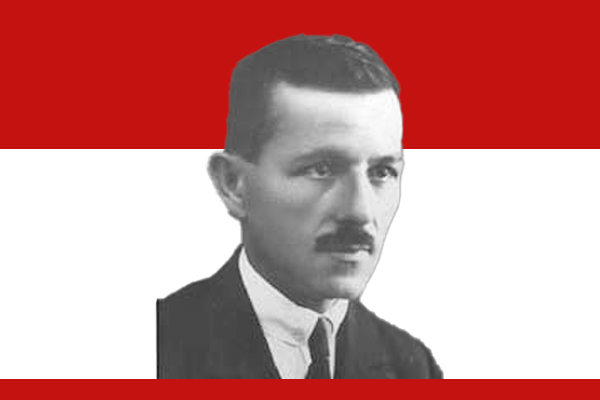
Early Life and Education
Şükrü Saracoğlu was born in 1887 in Ödemiş, located in the İzmir region of the Ottoman Empire. He received his early education in local schools and later pursued higher studies in Istanbul. Saracoğlu also studied law in Switzerland, where he gained exposure to European political ideas and legal systems. This international education helped him develop a modern outlook, which later influenced his approach to governance and diplomacy.
Entry into Politics
Saracoğlu entered politics during the final years of the Ottoman Empire and quickly aligned himself with the nationalist movement led by Mustafa Kemal Atatürk. After the establishment of the Republic of Turkey, he became an active member of the Republican People’s Party (CHP). He held several important positions, including Minister of Justice, Minister of Finance, and Minister of Foreign Affairs. In each role, Saracoğlu demonstrated strong administrative skills and loyalty to the principles of the republic.
Role as Prime Minister
Şükrü Saracoğlu assumed the office of Prime Minister in 1942, at a time when World War II posed serious threats to Turkey’s security. He actively pursued a policy of neutrality to keep Turkey out of direct military conflict. Through careful diplomacy, he balanced relations with both the Allied and Axis powers. His government strengthened border security, modernized the armed forces, and ensured that Turkey remained sovereign during a highly unstable global period.
Domestic Policies and Reforms
As Prime Minister, Saracoğlu focused on economic stability and social order. His government implemented measures to control inflation, manage shortages, and regulate wartime production. He supported state-led economic policies to protect essential industries and resources. Although some of these policies faced criticism, Saracoğlu believed they were necessary to safeguard the nation during extraordinary circumstances. He also emphasized education and public administration reforms to strengthen state institutions.
Foreign Policy and Diplomacy
Saracoğlu played a decisive role in shaping Turkey’s foreign policy. He actively engaged in diplomatic negotiations to preserve peace and independence. His government signed important agreements that reinforced Turkey’s neutral stance until the final phase of the war. By carefully timing Turkey’s limited alignment with the Allied powers, he ensured international recognition while avoiding devastating conflict. His diplomatic approach earned Turkey respect on the global stage.
Later Life and Legacy
After leaving the office of Prime Minister in 1946, Şükrü Saracoğlu continued to serve the nation in various capacities, including as Speaker of the Grand National Assembly. He remained a respected figure in Turkish politics until his death in 1953. Saracoğlu’s legacy lies in his steady leadership during one of the most challenging periods in world history. He demonstrated that careful diplomacy, firm governance, and national unity could protect a country even in times of global crisis.
Conclusion
Şükrü Saracoğlu actively shaped modern Turkey through his leadership, diplomacy, and commitment to republican ideals. As Prime Minister, he guided the nation through World War II with caution and determination. His contributions continue to hold an important place in Turkey’s political history, marking him as a leader who prioritized stability, sovereignty, and national interest above all else.